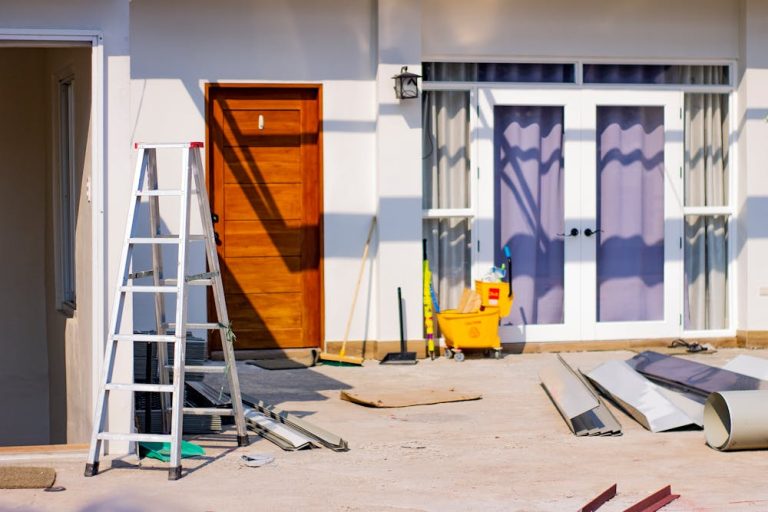
Owning a home comes with ongoing responsibilities that extend far beyond making a mortgage payment. Every component of a house, from the roof to the foundation, experiences wear and tear over time. Without a structured approach to maintenance, small issues can quickly turn into expensive repairs that disrupt daily life and strain household budgets.
A strong home maintenance plan helps homeowners stay ahead of problems rather than reacting to them after damage has already occurred. Routine inspections, preventive maintenance, and strategic planning can extend the life of major systems, improve energy efficiency, preserve property value, and reduce the likelihood of emergency repairs. While many homeowners focus on visible issues, some of the most costly problems begin in hidden areas that are often overlooked until significant damage develops.
Creating an effective maintenance plan does not require professional expertise. It simply requires consistency, organization, and a willingness to address issues before they become serious. By developing a year-round strategy and understanding which areas require regular attention, homeowners can better protect their investment and enjoy greater peace of mind.
Start With a Comprehensive Annual Home Assessment

Every successful maintenance plan begins with understanding the current condition of the home. An annual assessment provides a complete picture of what needs attention and helps homeowners prioritize repairs and improvements throughout the year.
Begin by conducting a thorough walkthrough of both the interior and exterior of the property. Check ceilings, walls, flooring, windows, doors, plumbing fixtures, electrical outlets, and visible structural elements. Document any signs of water intrusion, cracking, deterioration, or unusual wear. Taking photos during inspections creates a useful record that can be compared year after year.
The goal is not simply to identify existing problems but also to recognize developing issues before they worsen. A small crack in drywall may indicate foundation movement. Slight discoloration on a ceiling could point to a developing roof leak. A sticking door might signal shifting structural components. Paying attention to these warning signs can help prevent expensive repairs later.
In addition to visual inspections, homeowners should test major systems to ensure they are functioning properly. This includes checking smoke detectors, carbon monoxide detectors, GFCI outlets, plumbing shut-off valves, and heating and cooling equipment. Verifying that these systems are operating as intended can improve safety and help avoid unexpected breakdowns. Keeping a maintenance log with inspection dates, observations, and completed repairs can also make it easier to track recurring issues and monitor the condition of the home over time.
It is also important to organize repairs according to urgency. Safety concerns, water intrusion, electrical issues, and structural problems should always receive immediate attention. Cosmetic improvements can typically be scheduled later as budget and time allow.
For homeowners managing multiple projects or evaluating an older property, consulting a general contractor can provide valuable insight. A professional assessment can help identify hidden concerns and prioritize maintenance tasks according to risk and cost.
Newer homes may also benefit from reviewing construction records and warranty information. In many cases, the home builder provides recommended maintenance schedules and care instructions for various systems and materials. Following these guidelines can help maximize the lifespan of important components while preserving warranty coverage.
Protect Your Roof and Drainage System From Seasonal Damage
The roof is one of the most important protective systems in any home. It shields the structure from rain, snow, wind, sunlight, and temperature fluctuations. Because roofing problems often remain hidden until substantial damage has occurred, regular inspections are essential.
Homeowners should inspect their roofs at least twice each year and after major storms. Look for missing shingles, cracked flashing, damaged vents, sagging areas, and debris accumulation. Even minor damage can allow moisture to enter the structure, leading to mold growth, wood rot, insulation damage, and interior staining.
Many roofing issues are difficult to identify from ground level. Professional roofing contractors have the experience and equipment necessary to detect subtle problems before they become major repairs. Routine professional inspections often cost far less than emergency roof replacement or water damage restoration.
In addition to scheduled inspections, homeowners should pay close attention to warning signs that appear inside the home. Water stains on ceilings, peeling paint, musty odors in attics, or unexplained increases in humidity may indicate a developing roof leak. Addressing these concerns quickly can prevent widespread damage and reduce repair costs. Seasonal weather changes can also place additional stress on roofing materials, making proactive maintenance especially important in regions that experience extreme heat, heavy rainfall, snow, or strong winds.
Equally important is maintaining an effective drainage system. Water that is not properly directed away from the home can damage siding, foundations, landscaping, and basements. Gutters and downspouts play a critical role in preventing these problems.
Homeowners should clean gutters regularly, particularly during the fall when leaves and debris accumulate. Blocked gutters can overflow, allowing water to pool around the foundation or infiltrate exterior walls. During inspections, check for sagging sections, loose fasteners, rust, and improper drainage patterns.
When drainage issues become persistent, a gutter contractor can evaluate the system and recommend improvements such as larger gutters, additional downspouts, or gutter protection systems. Proper water management remains one of the most effective ways to prevent costly structural damage.
Maintain Exterior Surfaces to Prevent Structural Deterioration

The exterior of a home serves as its first line of defense against the elements. Constant exposure to moisture, sunlight, temperature fluctuations, and wind gradually affects exterior materials, making regular inspections essential.
One of the most important maintenance tasks is examining exterior walls for signs of deterioration. Cracks, warping, loose materials, peeling paint, and moisture damage should never be ignored. Small defects often allow water to penetrate behind protective surfaces, creating conditions that encourage mold growth and structural decay.
Working with a siding contractor can help homeowners address developing issues before they spread. Whether repairs involve replacing damaged sections, sealing vulnerable areas, or upgrading aging materials, proactive maintenance helps preserve both appearance and performance.
Landscaping also plays a significant role in home maintenance. Trees and large shrubs can contribute to property damage when not properly maintained. Overhanging branches may scrape roofing materials, block gutters, or fall during storms. Root systems can affect foundations, driveways, sidewalks, and underground utilities.
Scheduling periodic evaluations with a tree company can help identify potential hazards before they create costly damage. Proper pruning, disease management, and tree removal when necessary can significantly reduce property risks while maintaining attractive landscaping.
Seasonal exterior inspections should also include decks, patios, walkways, fencing, and outdoor lighting. Addressing minor concerns promptly prevents deterioration from accelerating and helps maintain the overall condition of the property.
Improve Energy Efficiency Through Routine System Checks
A strong maintenance plan not only protects the structure of a home but also helps improve efficiency and comfort. Heating and cooling systems account for a significant portion of household energy consumption, making routine maintenance particularly valuable.
One of the first signs of declining efficiency is an unexpected increase in utility costs. Rising energy bills often indicate that equipment is working harder to achieve desired temperatures. Uneven heating or cooling, excessive humidity, unusual noises, and poor airflow are additional warning signs that should not be ignored.
Regular maintenance tasks such as changing air filters, cleaning vents, and ensuring unobstructed airflow help improve system performance. Dirty filters force equipment to work harder, increasing energy consumption while placing additional stress on components.
Annual inspections by an HVAC contractor provide a more thorough evaluation of system health. Professional maintenance typically includes checking refrigerant levels, inspecting electrical components, cleaning coils, testing controls, and identifying developing mechanical issues.
Beyond mechanical systems, homeowners should also evaluate insulation and air sealing. Small gaps around windows, doors, utility penetrations, and attic access points can significantly affect energy efficiency. Addressing these leaks helps reduce heating and cooling costs while improving indoor comfort throughout the year.
Keep Doors and Windows Operating Efficiently
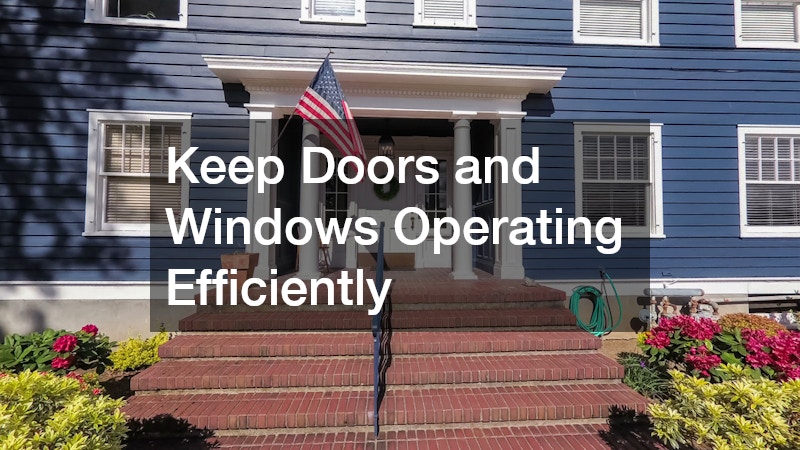
Doors and windows contribute significantly to a home’s comfort, efficiency, and security. Because they experience daily use and constant exposure to weather, they require regular inspection and maintenance.
Homeowners should periodically check frames, weatherstripping, locks, seals, and hardware. Drafts, moisture intrusion, condensation, and operational difficulties often indicate that maintenance or repairs are needed. Ignoring these issues can lead to increased energy costs and potential water damage.
Garage doors deserve special attention due to their size and mechanical complexity. Components such as springs, cables, rollers, tracks, and openers experience considerable wear over time. Regular inspections can help identify potential failures before they create safety hazards or operational problems.
When repairs extend beyond routine maintenance, garage door contractors can safely address mechanical issues and ensure proper system operation. Professional service is especially important for components that operate under high tension and may present injury risks if handled improperly.
Windows also play a critical role in maintaining efficiency and protecting the home from weather-related damage. Older windows may develop seal failures, drafts, condensation issues, or structural deterioration that affects performance.
When repairs are no longer sufficient, a window installation contractor can evaluate replacement options that improve energy efficiency, comfort, and long-term durability. Modern window technologies often provide significant improvements in insulation and weather resistance compared to older products.
Prevent Moisture Problems Below Ground Level
Basements are particularly vulnerable to moisture-related issues due to their location below grade. Water intrusion can lead to mold growth, structural damage, indoor air quality concerns, and costly repairs if not addressed promptly.
One of the most effective strategies for basement maintenance is routine monitoring. Homeowners should regularly inspect walls, floors, and storage areas for signs of moisture. Musty odors, damp surfaces, discoloration, peeling paint, and visible mold growth often indicate underlying water problems.
Exterior drainage plays a major role in basement protection. Poor grading, clogged gutters, and improperly directed downspouts frequently contribute to water infiltration. Maintaining proper drainage around the foundation helps reduce pressure against basement walls and minimizes moisture intrusion.
Foundation cracks should also be monitored carefully. While some minor cracking is normal, larger or expanding cracks may indicate structural concerns that require professional evaluation.
In cases involving persistent moisture, waterproofing needs, or structural repairs, a basement contractor can help identify the root cause of the problem and recommend long-term solutions. Early intervention often prevents significantly more expensive repairs in the future.
Maintaining a dry basement also helps protect stored belongings, improve indoor air quality, and create a healthier living environment throughout the home.
Build a Long-Term Maintenance Budget and Timeline
Even with the best maintenance practices, every home system eventually requires repair or replacement. Planning ahead financially helps homeowners avoid unexpected expenses and make informed decisions when major projects arise.
A practical maintenance budget begins with understanding the expected lifespan of major components. Roofing materials, HVAC systems, water heaters, windows, exterior finishes, and appliances all have predictable service lives. Knowing when replacement may become necessary allows homeowners to prepare financially rather than facing sudden emergencies.
Maintenance records play a valuable role in this process. Keeping detailed documentation of inspections, repairs, warranties, service visits, and replacement dates provides useful information when planning future projects. Organized records can also increase buyer confidence if the property is eventually sold.
Many homeowners find it helpful to divide maintenance planning into seasonal schedules. Spring may focus on exterior inspections and landscaping. Summer often provides opportunities for painting and outdoor repairs. Fall preparation typically includes drainage maintenance and weatherproofing, while winter focuses on monitoring heating systems and protecting against cold-weather damage.
A long-term approach also allows homeowners to coordinate improvements strategically. Rather than addressing problems independently, related projects can often be completed together, improving efficiency and reducing overall costs.
The most successful maintenance plans remain flexible. As homes age, priorities change and unexpected issues arise. Regular evaluations ensure that maintenance efforts continue to align with the property’s evolving needs.
Building a strong maintenance plan for your home is one of the most effective ways to protect your investment and avoid costly surprises. By taking a proactive approach to inspections, preventive maintenance, budgeting, and seasonal planning, homeowners can identify problems early and address them before they escalate into major repairs.
A well-maintained home not only lasts longer but also provides greater comfort, efficiency, and value. Whether you are caring for a newly constructed property or preserving an older residence, consistency is the key to long-term success. Developing a structured maintenance routine today can save significant time, money, and stress in the years ahead while helping ensure that your home remains safe, functional, and enjoyable for generations.
About the Author