Most homeowners only think about their major systems when something breaks, but by then the repair bill has often multiplied several times over. The truth is that small, easy-to-miss clues are usually visible months or even years before a real crisis hits. Learning to spot these warning signs can save you thousands of dollars and help you plan upgrades on your own schedule instead of during an emergency. This guide walks through the everyday systems in and around your home that quietly hide expensive problems, and what to watch for before they turn into disasters.
Aging Roofing Materials and Hidden Leaks
Your roof is one of the most expensive systems to replace, yet many homeowners ignore it until water is dripping into the living room. A full replacement can easily run into the thousands of dollars depending on materials and square footage, which is exactly why catching problems early matters so much. Curling shingles, dark streaks, and granules collecting in the gutters are all early indicators that the surface is breaking down faster than it should. Missing or cracked flashing around chimneys, vents, and skylights is another common culprit, since these joints are where water most often finds its way inside. Even a musty odor in the attic or faint discoloration on ceiling drywall can signal a slow leak that hasn’t fully announced itself yet. Left unaddressed, small leaks can rot the decking underneath, leading to a repair that costs far more than a simple patch job. What starts as a $300 shingle fix can quietly turn into a $3,000 project involving damaged plywood, insulation, and even mold remediation if moisture sits long enough. Roofs also age unevenly, so a section facing harsh afternoon sun or heavy tree cover may wear out years before the rest of the surface shows any trouble. Scheduling a periodic inspection with Roofing Contractors is one of the cheapest forms of insurance you can buy for your home. Most professionals recommend a checkup at least once a year, plus an extra look after major storms or high winds. Catching a small issue during a routine visit almost always costs less than discovering it after it has spread.
Flat roofs deserve special attention because standing water and membrane seams are common failure points that are hard to spot from the ground. Unlike sloped roofs, flat systems rely on precise drainage slopes and intact seams to keep water moving off the surface, and even a minor dip of an inch or two can trap water for days after a storm. A qualified flat roofing contractor can identify ponding water, cracked flashing, and seam separation before they turn into structural damage. Ponding water that lingers for more than 48 hours is a red flag, since prolonged exposure breaks down membrane materials like EPDM, TPO, or modified bitumen far faster than manufacturers intend. Flashing around vents, chimneys, and roof edges is another vulnerable area, as it expands and contracts with temperature swings and can pull away from the surface over time. These small gaps often go unnoticed during a casual visual check but allow water to seep steadily into the layers below. Many homeowners wait until a ceiling stain appears, but by then moisture has often been traveling through insulation for weeks, sometimes months, depending on the size of the breach. By that point, soggy insulation, mold growth, and even sagging decking may already be underway, turning a simple patch job into a costly tear-off and replacement. Catching these issues early keeps repair costs manageable and extends the life of the entire roofing system. Scheduling a professional inspection twice a year, ideally in spring and fall, gives a trained eye the chance to catch subtle warning signs long before they become expensive emergencies.
- Look for missing, curling, or cracked shingles after major storms, especially high winds above 50 mph
- Check gutters and downspouts for excessive granule buildup, which resembles coarse black sand and signals shingle deterioration
- Watch for sagging or ponding areas on flat or low-slope roofs, as standing water can accelerate membrane breakdown within days
- Note any musty smells in upper-floor closets or attics, a common sign of trapped moisture from slow, hidden leaks
- Inspect flashing around chimneys, vents, and skylights, since gaps here are a leading cause of undetected water intrusion
- Scan ceilings for faint yellow or brown stains, which often appear well before visible dripping occurs
Outdated Heating and Cooling Equipment
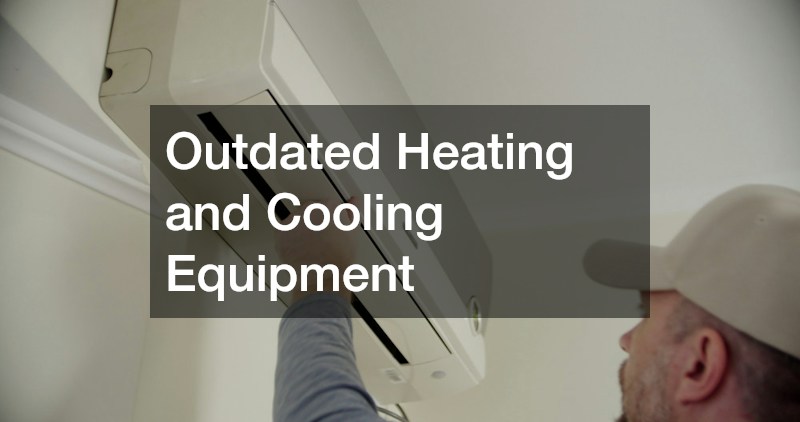
Heating and cooling systems rarely fail without warning, but the signals are easy to dismiss as minor annoyances. Strange odors, uneven temperatures between rooms, and a furnace that cycles on and off frequently are all signs that something inside the unit is struggling. A licensed heating contractor can often catch a failing heat exchanger or worn blower motor months before a complete breakdown leaves you without heat in the middle of winter. Waiting until the system quits entirely almost always means paying for emergency service at the least convenient time.
Homeowners looking to modernize their comfort systems are increasingly turning to a mini split AC setup, especially for additions, converted garages, or older homes without existing ductwork. These systems allow room-by-room temperature control and tend to be more energy efficient than trying to force a central system to cover an awkward layout. However, even mini split systems need regular filter cleaning and refrigerant checks to avoid the same slow decline that affects traditional units. Ignoring strange noises or reduced airflow in these units can shorten their lifespan considerably.
- Rising energy bills without a change in usage habits
- Rooms that never quite reach the thermostat setting
- Unusual clicking, banging, or grinding sounds
- Frequent short cycling or the system running constantly
Foundation Cracks and Soil Movement
Foundation problems rarely start as dramatic collapses; they usually begin as hairline cracks in a basement wall or a door that suddenly sticks in its frame. Soil that expands and contracts with moisture changes puts constant pressure on a foundation, and over time this can lead to serious structural shifting. Grading around the home matters just as much as the foundation material itself, since water pooling near the base accelerates deterioration. If cracks widen, stairs become uneven, or gaps appear around window frames, it is worth getting a professional evaluation before the damage spreads further.
In some cases, correcting drainage or preparing a site for an addition requires bringing in excavating companies to regrade the land or install proper drainage channels. This kind of work is not something most homeowners can tackle with a rented tiller and a weekend of effort, since improper grading can actually make water problems worse. A professional assessment can determine whether the issue is simple surface runoff or a deeper groundwater concern. Addressing it early is almost always less expensive than repairing a foundation after years of water intrusion.
- Hairline cracks that grow wider over several months
- Doors and windows that stick without an obvious cause
- Visible gaps between walls and ceilings
- Standing water near the foundation after rain
Plumbing Systems That Show Early Trouble

Plumbing issues often start small, like a slow drain or a faint sulfur smell, long before a pipe actually bursts. Discolored water, unexplained increases in the water bill, and low pressure throughout the house are all clues that something inside the walls or under the slab needs attention. Older galvanized pipes are particularly prone to internal corrosion that restricts flow and eventually leads to leaks. Catching these signs early can prevent the kind of water damage that affects flooring, drywall, and even electrical systems.
For homes with commercial kitchens, rental units, or older plumbing setups tied to grease-heavy cooking, regular grease trap testing is an often overlooked maintenance step. A trap that isn’t functioning properly can allow fats and oils to build up in the pipes, eventually causing backups that are messy and expensive to clear. Routine testing keeps the system compliant with local codes and prevents slow drainage from turning into a full blockage. This is especially important for homeowners who rent out portions of their property for food-related use.
- Slow drains in multiple fixtures at once
- Water that appears rusty or has an odd smell
- A noticeable spike in monthly water usage
- Gurgling sounds coming from drains or toilets
Pest Damage Behind Walls and Under Floors
Pests are experts at staying hidden, which is exactly why the damage they cause tends to be so costly by the time it’s discovered. Termites can hollow out structural framing for years without any visible sign beyond a slightly hollow-sounding wall. Rodents chew through wiring and insulation, creating both fire hazards and expensive repair projects. Partnering with reputable pest control companies for annual inspections is one of the most effective ways to catch an infestation before it compromises the structure of your home.
Beyond termites and rodents, moisture-loving pests like carpenter ants and certain beetles are drawn to areas with hidden water damage, which means a pest problem can sometimes be the first clue pointing to a larger leak. Noticing discarded wings near windowsills, small piles of sawdust-like debris, or scratching sounds in the walls should prompt a closer look. Regular treatments and inspections are far less expensive than replacing rotted framing or rewiring damaged sections of a home. Consider it a preventive measure that protects both your health and your investment.
- Small piles of wood shavings or frass near baseboards
- Discarded insect wings on windowsills
- Scratching or scurrying sounds inside walls
- Visible droppings in attics, garages, or basements
Aging Electrical Panels and Wiring

Electrical problems are among the most dangerous hidden issues because the warning signs are often subtle until they aren’t. Flickering lights, warm outlet covers, and breakers that trip repeatedly all suggest that the panel or wiring is struggling to keep up with modern demand. Homes built several decades ago were not designed for today’s appliances, computers, and charging stations, which puts extra strain on outdated systems. An electrician should evaluate any home showing these signs, since electrical fires are one of the most preventable yet devastating types of home damage.
Many homeowners only discover an electrical problem when they start a larger project, such as a kitchen or bathroom upgrade, and realize the existing wiring can’t support new fixtures or appliances. This is one of several reasons why home remodeling projects often uncover issues that had been quietly developing for years. Opening up walls during a renovation gives a rare opportunity to inspect wiring, insulation, and plumbing all at once. Addressing these problems during a planned project is almost always cheaper than dealing with them as a separate emergency later.
- Lights that flicker or dim without an obvious cause
- Outlets or switch plates that feel warm to the touch
- A breaker box that trips frequently under normal use
- A persistent burning smell near outlets or the panel
Outdoor Living Spaces and Drainage Around Them
Patios, walkways, and outdoor structures can hide drainage problems that eventually affect the foundation or basement of a home. A patio installation that wasn’t properly sloped away from the house can direct water straight toward the foundation instead of away from it, creating slow but steady damage. Cracked or heaving pavers are often a sign that the base material has shifted due to poor drainage or freeze-thaw cycles. Before adding any new hardscaping, it’s worth evaluating how water currently moves across the yard.
Outdoor spaces also reveal themselves over time through settling, weed growth between pavers, or pooling water after a light rain. These issues might seem cosmetic, but they often point to a compaction or grading problem that will only get worse if ignored. Addressing drainage before installing new outdoor features prevents costly do-overs down the line. A well-planned outdoor space should enhance the home’s value, not create a hidden liability.
- Water pooling on the patio surface after rain
- Pavers that shift, sink, or heave over time
- Weeds or grass growing between joints
- Cracks that widen with each passing season
Storm and Flood Preparedness Features
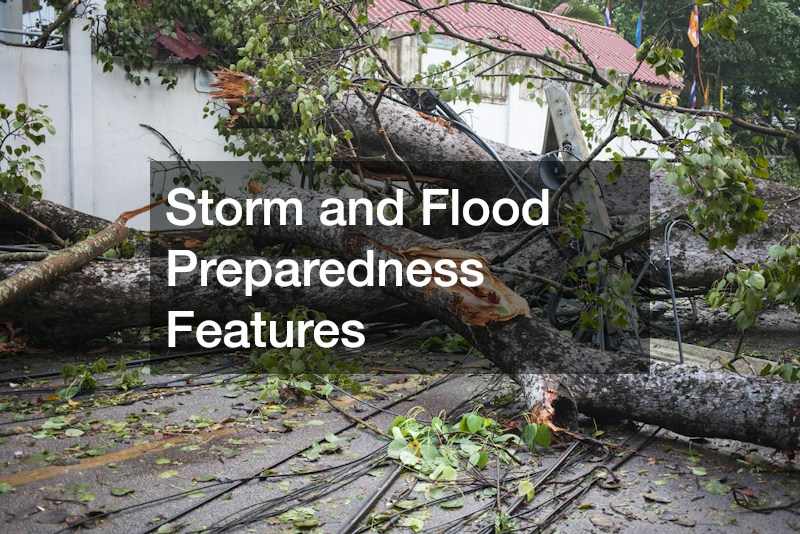
Homes in flood-prone or storm-heavy regions face a unique set of hidden risks, particularly around basements, garages, and ground-level entry points. Water intrusion during a major storm can cause damage that isn’t fully visible until mold begins developing weeks later. Installing hurricane flood barriers around vulnerable entry points is one of the most effective ways to reduce the risk of water pushing into a home during severe weather. These barriers are especially valuable for homes with finished basements or expensive mechanical equipment stored at ground level.
Beyond physical barriers, homeowners in these regions should regularly check sump pumps, backflow valves, and exterior seals around doors and windows. A barrier system is only as effective as the rest of the home’s water management setup, so it’s worth having the entire system reviewed together rather than piecemeal. Many insurance providers also offer reduced premiums for homes with documented flood mitigation measures in place. Taking these steps proactively is far less stressful than scrambling to protect a home as a storm approaches.
- Check exterior door and window seals annually
- Test sump pumps before storm season begins
- Inspect any installed flood barriers for damage or wear
- Confirm backflow valves are functioning properly
Hidden problems rarely stay hidden forever, and the cost of ignoring them almost always grows with time. By paying attention to the small signs across your roofing, plumbing, electrical, and outdoor systems, you can address issues while they’re still manageable and affordable. Schedule regular inspections, keep an eye on the subtle changes around your home, and don’t wait for a full system failure to take action. A little vigilance today can prevent a very expensive surprise tomorrow.
About the Author