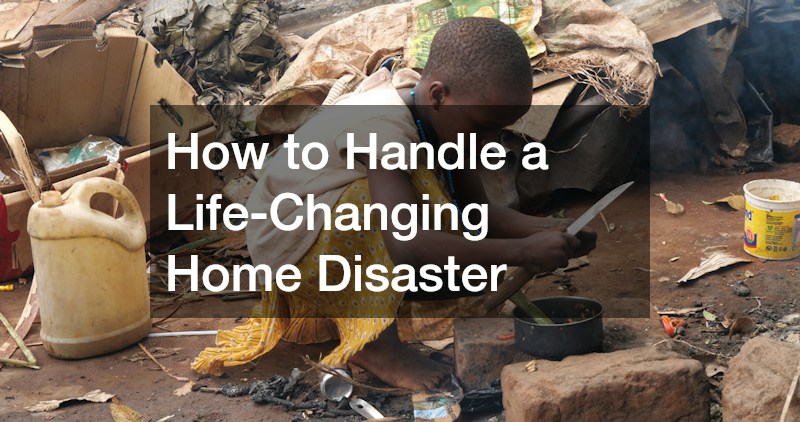
Experiencing a major disaster at home is one of the most overwhelming events a homeowner can face. Whether it stems from a sudden natural event or a long-brewing structural issue, the initial aftermath often leaves people feeling disoriented and uncertain about what to do next. When your sanctuary is compromised, reacting quickly and systematically can prevent further deterioration of your property, safeguard your family’s health, and establish a clear path toward restoring your living space.
Navigating the recovery process requires a balance of immediate protective actions, meticulous documentation, and strategic long-term planning. By taking structured steps, you can transition from emergency response to total recovery with confidence and clarity.
Managing Immediate Hazards and Safety
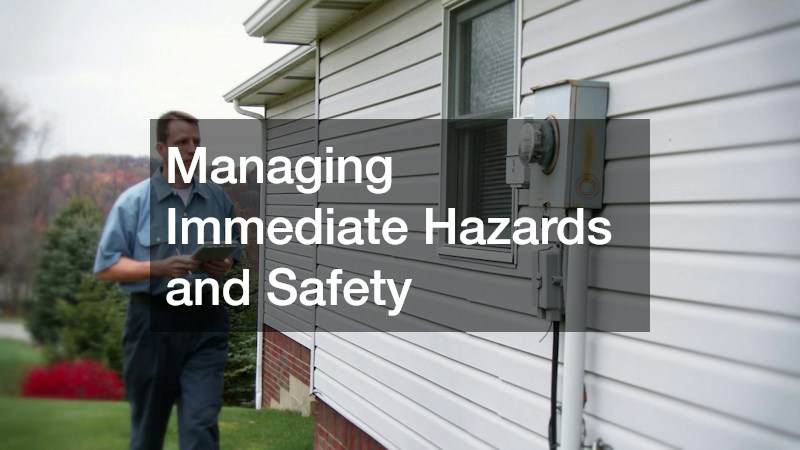
Secure the Perimeter and Shut Off Utilities
Before stepping back into a compromised house, ensuring physical safety is the absolute top priority. If floodwaters, heavy winds, or structural failures have occurred, main lines for gas, electricity, and water should be switched off immediately if it is safe to access the main cut-off switches. Escaping gas can create immediate fire risks, while standing water paired with active electrical circuits presents a severe risk of electrocution. Never enter a building with saggy ceilings or cracked foundation walls until professional inspectors clear the structure.
- Shut off gas and main breaker switches immediately if structural elements are compromised or standing water is present.
- Wear heavy-duty boots, thick gloves, and protective eyewear to guard against sharp debris, exposed nails, and contaminated wastewater.
- Avoid standing directly beneath visibly sagging drywall or ceiling joists that may collapse under retained water weight.
Document Every Inch of Damage
Before clearing away any debris or moving damaged items, capture detailed photo and video documentation of every affected room. Take high-resolution images from multiple angles, ensuring you capture close-ups of structural damage as well as wide shots showing the overall scope of the impact. Make an itemized list of ruined personal possessions, including purchase dates and estimated values if known. This thorough evidence will serve as the foundation of your insurance claims process and helps prevent disputes over the extent of the loss.
- Record wide-angle videos walking through every room to contextualize the total structural footprint of the incident.
- Take detailed photos of appliance serial tags, high-value personal goods, and damaged architectural features.
- Collect small material samples, such as ruined carpet or drywall fragments, to verify material composition for insurance assessors.
Navigating the Insurance Claims Process

Initiate Contact with Your Provider Promptly
Notify your insurance carrier as soon as the initial danger has passed. Request a complete copy of your policy to review coverage limits, deductibles, and specific exclusions that might apply to your situation. Ask your adjuster for guidance on immediate mitigation steps that are pre-approved under your policy, such as installing temporary tarps or pumping out standing water, so you do not accidentally compromise your coverage while trying to protect your home.
- Request emergency advance payments from your insurer to handle immediate living expenses and urgent structural stabilization.
- Ask your claims representative for explicit written authorization before disposing of any large physical items or structural components.
- Clarify whether your policy covers replacement cost value or actual cash value for damaged home contents.
Track All Expenses and Communications
Keep a dedicated logbook or digital folder for every interaction related to your claim. Note the date, time, full name, and title of every adjuster, inspector, or representative you speak with, along with a summary of the conversation. Save every single receipt for temporary housing, emergency meals, cleaning supplies, and interim repairs. Most homeowner policies include coverage for additional living expenses, but reimbursement depends entirely on accurate, detailed record-keeping.
- Maintain a single centralized digital folder containing PDF copies of every invoice, formal estimate, and signed agreement.
- Create a dedicated log sheet tracking mileage driven for disaster-related errands, temporary housing commutes, and supplies purchases.
- Save itemized receipts for temporary hotel stays, laundry services, and restaurant meals while displaced from your residence.
Addressing Structural and Exterior Damage
Evaluate the Integrity of Your Roof
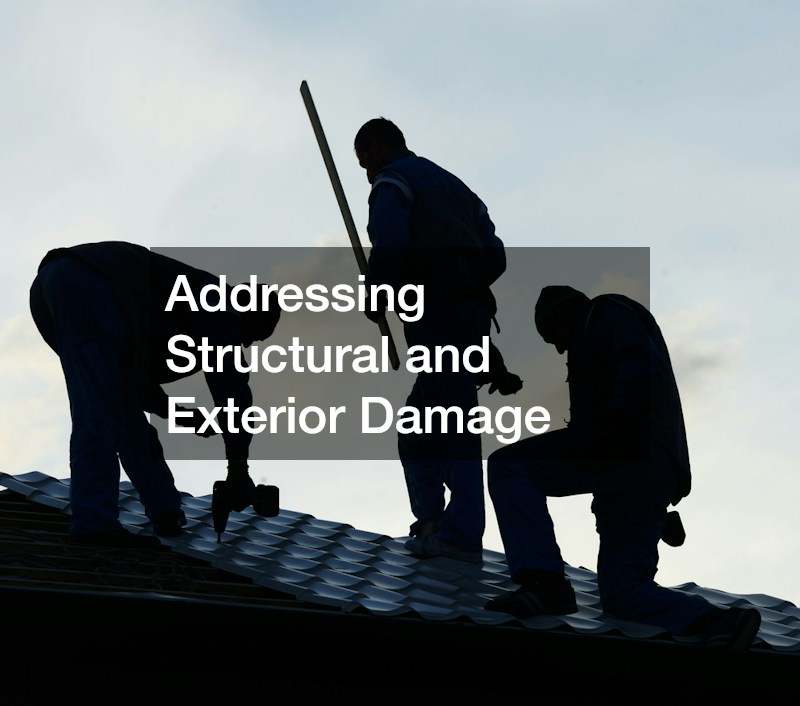
High winds, fallen trees, and severe weather frequently compromise the upper envelope of a house. Inspecting the roof structure from the ground using binoculars can help you spot missing shingles, damaged flashing, or cracked rafters without putting yourself in harm’s way. Securing emergency tarping over exposed areas prevents incoming precipitation from causing secondary destruction to ceiling drywall, insulation, and lower floors.
- Check attic space with a high-lumen flashlight to identify hidden roof deck penetrations or cracked structural rafters.
- Clear blocked gutters and downspouts to ensure heavy rainfall drains away from the damaged foundation.
- Fasten temporary heavy-duty tarps over roof openings using wooden furring strips to prevent wind from tearing the plastic loose.
Securing Professional Roofing Solutions
When structural overhead protection is compromised, engaging a local residential roofer ensures that repairs meet municipal building codes and withstand future weather events. These specialized tradespeople can evaluate subtle vulnerabilities, such as compromised underlying decking or damaged membrane seals, that an untrained eye might miss. Timely interventions on the upper structure prevent cascading moisture issues throughout the lower levels of the building.
- Hire experienced roofers who carry full liability insurance and specialized regional certification.
- Request comprehensive overhead deck inspections to catch hidden moisture retention inside roof insulation layers.
- Verify that structural roof warranties cover both installation labor and protective material durability for long-term peace of mind.
Rebuilding Overhead Protection Systems
Complete restoration often demands extensive work on the exterior envelope to safeguard the interior space. Standard repairs might involve replacing compromised trusses, updating gutter drainage systems, and laying down high-performance underlayment. Relying on experts skilled in residential roofing ensures that the materials chosen match the climate demands of your region, restoring both the visual appeal and protective durability of your shelter.
- Upgrade to impact-resistant shingle materials to protect your home against future hail storms and high wind bursts.
- Ensure modern synthetic underlayments are installed over entire roof decks for secondary moisture protection.
- Install high-capacity perimeter gutters to funnel water away from structural foundation walls during heavy downpours.
Dealing with Water Ingress and Moisture Exposure
Fast Extraction and Dehumidification
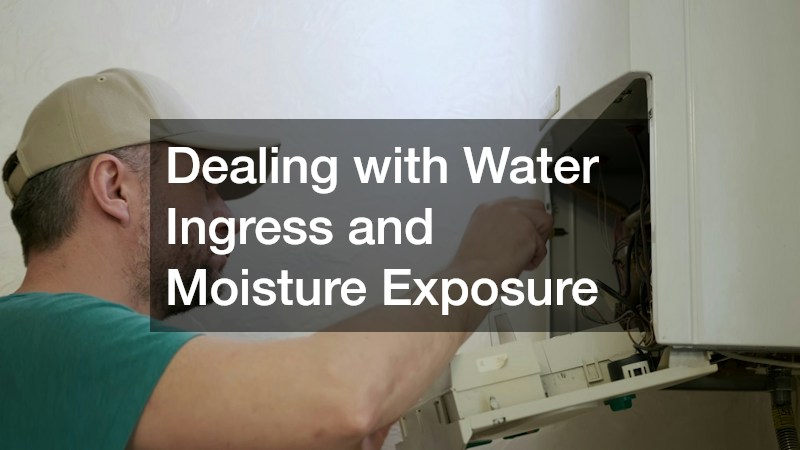
Water moving through a property ruins building materials rapidly. Absorbent items like carpet padding, drywalls, and insulation draw water upward through capillary action, expanding the footprint of the damage within hours. Industrial-grade air movers and commercial dehumidifiers must run continuously to dry out structural studs, subfloors, and concrete slabs before secondary decay sets in.
- Remove saturated carpet padding and soft furnishings immediately to reduce interior relative humidity levels.
- Position high-velocity air movers at forty-five-degree angles to maximize airflow across damp subflooring and wall surfaces.
- Monitor moisture levels inside hidden wall cavities using pinless moisture meters daily until baseline dryness is reached.
Engaging Specialist Drying Services
When massive flooding or pipe bursts happen, standard shop vacuums and household fans are insufficient to prevent deep structural decay. Hiring certified experts in water damage restoration allows for the deployment of specialized equipment like thermal imaging cameras to locate hidden pockets of moisture behind walls. Professional drying protocols preserve structural timber and prevent secondary fungal growth from taking root inside enclosed cavities.
- Utilize thermal imaging equipment to pinpoint hidden water pockets trapped within cavity wall insulation.
- Deploy specialized wall-cavity drying systems to pump dry air into enclosed stud spaces without removing intact drywall.
- Establish controlled drying zones using plastic barrier containment sheets to concentrate dehumidification equipment output.
Mitigating Severe Weather Impact
Events like severe storms, hail, or microbursts frequently cause compound issues, combining broken windows with heavy interior water exposure. Comprehensive storm damage restoration addresses both the immediate exterior breaches and the resulting internal moisture accumulation simultaneously. Rapid stabilization of the building envelope minimizes overall structural degradation and keeps repair timelines manageable.
- Board up broken windows and breached exterior doors with exterior-grade plywood immediately after storm winds subside.
- Clear leaves, mud, and external debris away from exterior foundation walls to prevent secondary surface water pooling.
- Secure temporary bracing along damaged garage doors or exterior walls to maintain physical perimeter security.
Preventing and Eradicating Mold Growth
Recognizing Fungal Outbreaks Early
Microscopic fungal spores thrive in humid, dark conditions and can begin colonizing damp building materials within 24 to 48 hours after moisture exposure. Discoloration on baseboards, musty smells, or peeling paint are early indicators of active propagation. Addressing moisture issues immediately is the single most effective way to prevent widespread fungal contamination throughout heating, ventilation, and air conditioning systems.
- Inspect dark utility closets, under-sink cabinets, and basement joists daily for fuzzy discoloration or persistent dampness.
- Turn off central HVAC systems immediately if mold presence is suspected to avoid blowing spores into unimpacted living areas.
- Maintain indoor relative humidity levels below fifty percent using heavy-duty commercial dehumidifiers during drying operations.
Specialized Fungal Cleanup Protocols
When fungal colonies take hold inside wall cavities, standard household cleaners will not resolve the underlying infestation. Implementing professional black mold remediation protocols involves isolating the affected zones under negative air pressure, utilizing HEPA filtration systems, and physically removing contaminated porous materials. Proper containment prevents toxic spores from circulating to unaffected rooms during the cleanup process.
- Seal work spaces with heavy plastic sheeting and negative air machines to isolate airborne fungal spores.
- Double-bag and seal all contaminated porous building materials before transporting them out through unimpacted areas of the home.
- Treat structural framing timbers with specialized EPA-registered fungicidal coatings to stop remnant spore germination.
Targeted Local Fungal Management
For isolated outbreaks caused by minor plumbing leaks or localized condensation, hiring local mold remediation specialists offers a focused solution. These professionals apply EPA-registered antimicrobial treatments to structural framing and install vapor barriers to ensure fungi do not recur. Timely containment preserves healthy indoor air quality and protects household members from respiratory irritants.
- Hire certified technicians who utilize HEPA-filtered vacuum systems to clean structural framing surfaces thoroughly.
- Conduct independent post-remediation air quality clearance testing to confirm spore counts return to safe indoor baselines.
- Apply clear protective moisture barrier coatings over subfloors and studs to prevent future condensation absorption.
Managing Fire and Smoke Destruction
Removing Soot and Corrosive Residues
Fire events leave behind complex chemical residues that continue damaging surfaces long after the flames are extinguished. Acidic soot can pit metals, stain synthetic materials, and permanently etch glass within days if left untreated. Professional cleaning requires specialized sponges, thermal foggers, and chemical neutralizers tailored to the specific fuel source of the fire.
- Pre-treat metallic fixtures, appliances, and chrome surfaces with light oil layers to prevent permanent acidic soot etching.
- Avoid using standard household liquid cleaners on dry soot, as moisture forces carbon particles deeper into porous paint.
- Use specialized dry chemical sponges to lift loose soot deposits off delicate wall surfaces without smearing the residue.
Comprehensive Property Stabilization After Fire
Rebuilding after a blaze involves far more than simple cosmetic repairs; it demands deep structural cleaning, odor elimination, and framing reinforcement. Securing a qualified fire restoration service guarantees that hidden smoke pockets inside ductwork and ceiling cavities are completely neutralized. These technicians systematically deodorize structural elements, ensuring the space is safe and clean before reconstruction begins.
- Seal structural wood framing members with thermal encapsulating sealants to lock in persistent burnt smoke odors.
- Run commercial hydroxyl generators or ozone machines inside sealed environments to break down airborne smoke odor molecules.
- Clean and sanitize entire HVAC duct networks to eliminate trapped soot particulate before running furnace blowers.
Planning Comprehensive Repairs and Rebuilding
Designing the Reconstruction Plan
Once emergency mitigation is complete and the structure is fully dried and sanitized, focus shifts toward rebuilding. Use this phase as an opportunity to assess whether you simply want to restore the previous layout or optimize the floor plan for improved functionality, energy efficiency, and modern building standards. Draft detailed scopes of work with clear timelines to guide the upcoming build phase.
- Collaborate with structural engineers to re-evaluate load-bearing walls if modifying interior layout dimensions.
- Integrate modern energy-efficient insulation and high-performance vapor barriers into all replacement exterior walls.
- Select resilient interior finish materials, like luxury vinyl plank flooring, to improve durability against future accidents.
Managing Extensive Property Upgrades
When a disaster affects multiple rooms or levels, straightforward repairs often evolve into a full house remodeling project. Combining emergency rebuild efforts with planned modernizations allows homeowners to update outdated electrical systems, plumbing lines, and structural layouts concurrently. This unified approach minimizes overall construction downtime and maximizes property value post-recovery.
- Plan structural layout changes during initial framing demolition phases to save substantial labor costs later.
- Replace outdated electrical panels and wiring runs while wall cavities are completely open and accessible.
- Install updated plumbing supply pipes and modern shutoff valves while subfloors and stud walls are exposed.
Hiring Licensed Build Professionals
Executing complex structural repairs requires coordinating multiple specialized trades, including electricians, plumbers, framing crews, and drywall installers. Contracting experienced general contractors ensures that permits are properly filed, inspections are scheduled seamlessly, and work adheres strictly to local building codes. A single point of accountability simplifies management and keeps the project on schedule.
- Verify active licensing, bonding, and workers’ compensation coverage for any prime contract builder you hire.
- Establish clear milestone-based payment schedules tied directly to passed municipal building inspections.
- Demand detailed written contracts specifying exact material grades, brand names, and projected completion dates.
Executing Modern Interior Renovations
Transforming a damaged structure back into a comfortable residence involves careful selection of interior finishes, cabinetry, and fixtures. Engaging in thoughtful home remodeling practices during the recovery stage allows you to introduce fire-resistant materials, upgraded insulation, and waterproof flooring solutions. These choices increase your home’s resilience against potential future events while restoring comfort and style.
- Choose water-resistant wallboard products for lower wall sections in areas prone to future moisture exposure.
- Select low-VOC paints and non-toxic sealants to ensure clean indoor air quality as interior finishes dry.
- Upgrade interior lighting fixtures with energy-efficient LED arrays while electrical circuits are being rewired.
Maintaining Mental Resilience Throughout Recovery
Establish a Daily Routine
Living through a major home disaster creates immense psychological stress and disruptions to daily routines. Establishing consistent schedules for meals, work, and sleep provides a comforting sense of normalcy amidst the construction turmoil. If you are displaced, personalize your temporary living area with familiar items to make it feel like a supportive sanctuary.
- Maintain set daily wake-up times, regular meal hours, and exercise routines despite ongoing restoration noise.
- Set up a clean, organized work area within temporary quarters to reduce everyday operational stress.
- Carve out designated daily quiet hours completely free from contractor calls, adjuster emails, and site visits.
Practice Open Communication
Maintain transparent, frequent conversations with family members, insurance reps, and repair teams. Setting realistic expectations regarding construction timelines prevents burnout and minimizes misunderstandings. Remember that structural recovery is a marathon, not a sprint, and taking time to step away from the project site is essential for maintaining emotional well-being.
- Hold brief weekly update meetings with your project lead to review completed milestones and upcoming work.
- Talk openly with household members about emotional stress to ensure everyone feels supported throughout recovery.
- Take brief weekend trips away from the construction zone to reset your mental focus and reduce fatigue.
Restoring a home after a life-changing event is a demanding process, but taking organized, deliberate actions turns an overwhelming crisis into a manageable sequence of tasks. By securing immediate safety, documenting losses thoroughly, working alongside certified professionals, and planning repairs with long-term resilience in mind, you can successfully navigate recovery and build back a safe, comfortable, and beautifully renewed home.
About the Author