Every home sends out small signals long before something actually breaks down, but it is not always easy to tell the difference between normal wear and an impending failure. Water heaters hum a little louder, fences lean a little more, and driveways develop cracks that seem harmless at first glance. Knowing what counts as normal aging versus a warning sign can save you thousands of dollars and prevent a minor issue from turning into an emergency. This guide walks through the most common home systems and structures, helping you decide when it is time to simply keep an eye on something and when it is time to call in help.
Water Heater Performance and Warning Signs
Water heaters typically last between eight and twelve years, with tank units on the shorter end of that range and well-maintained systems occasionally pushing past it. The way they fail is rarely sudden. Instead, you get a slow accumulation of small symptoms that homeowners tend to dismiss until the problem affects daily routines. Lukewarm water is often the first clue, and it usually points to a failing heating element or a thermostat that’s lost accuracy. Rumbling or popping noises are typically caused by sediment that has settled at the bottom of the tank, where it hardens and forces the unit to work harder to heat water. Water pooling near the base can mean anything from a loose fitting to a cracked tank, with the latter signaling that replacement is likely unavoidable. Other warning signs worth tracking include discolored or rust-tinged water, a sulfur-like odor, and a noticeable drop in water pressure during showers. Fluctuating water temperature that swings between hot and cold within the same shower is also common in aging units with worn-out thermostats or deteriorating dip tubes. These symptoms do not always mean you need a full replacement. A flush to clear sediment, a new heating element, or a thermostat adjustment can often resolve issues in units under eight years old. But they are signs that professional water heater repair should be scheduled soon rather than later, since delaying diagnosis on a tank nearing the end of its lifespan increases the risk of a sudden failure and water damage.
Most water heaters last between 8 and 12 years, and several clues can tell you whether yours is nearing the end. Rumbling or popping noises often mean sediment has built up at the bottom of the tank, forcing the unit to work harder to heat water. Rusty or discolored water, a tank that feels warm to the touch, or water pooling near the base are all signs that corrosion has already begun eating through the metal. Ignoring these early warning signs often leads to a complete tank failure, which can cause significant water damage to floors, walls, and anything stored nearby. A full tank rupture can release 40 to 50 gallons of water in minutes, turning a minor repair into a costly cleanup and restoration project. A technician can usually tell within minutes whether a repair will extend the unit’s life or whether replacement makes more financial sense. As a general rule, if the heater is more than 8 years old and the repair cost exceeds 50% of a new unit’s price, replacement is typically the smarter investment.
- Rusty or discolored water from hot taps only (not cold) usually points to a corroding tank, often nearing the end of its 8-12 year lifespan
- Unusual popping or banging sounds during heating cycles, typically caused by sediment buildup hardening at the bottom of the tank and trapping water beneath it
- Inconsistent water temperature throughout the day, which can signal a failing heating element, a worn thermostat, or a tank too small for current household demand
- Visible moisture or corrosion around fittings, valves, and the tank base, since even minor leaks can indicate a cracked tank that will eventually fail completely
- A sudden spike in energy bills without increased usage, often a sign the unit is working harder than normal to maintain temperature
- Water taking noticeably longer to heat up, which may point to sediment insulating the heating element or a unit simply struggling with age
Cooling System Efficiency and Breakdown Risks

An air conditioning unit that runs constantly without actually cooling the house is one of the clearest signs that something is wrong beneath the surface. Aging systems often lose efficiency gradually, so homeowners get used to higher energy bills without realizing the unit is struggling. Scheduling routine AC repairs before peak summer heat arrives can prevent a complete breakdown on the hottest day of the year, when technicians are busiest and availability is limited.
Strange odors, weak airflow, and frequent cycling on and off are all signals that the system needs attention rather than another season of being ignored. Most units last between twelve and fifteen years with proper maintenance, so age alone is not always the deciding factor. A professional inspection can determine whether a simple part replacement will do the job or whether the whole system is nearing the end of its useful life.
Sprinkler System and Water Pressure Problems
A healthy lawn depends on consistent, even watering, and when sprinkler heads start spraying unevenly or certain zones stay dry, it usually points to a problem in the system rather than the weather. Buried lines can shift or crack over time, especially in areas with freezing winters or heavy clay soil. An outdated irrigation setup can also waste a surprising amount of water, driving up utility bills without actually benefiting your landscaping.
- Pooling water or soggy patches near sprinkler heads
- Brown or dry patches that appear in a consistent pattern
- Low water pressure affecting only certain zones
- Sprinkler heads that no longer retract properly after use
Fence Stability and Structural Wear
Fences take a beating from wind, moisture, and ground movement, and the signs of trouble are not always obvious from a distance. Leaning posts, gaps at the base, and wood that feels soft or spongy to the touch are all indicators that the structure is failing rather than just aging gracefully. A reputable fence contractor can usually tell within one visit whether the issue is isolated to a few posts or whether the entire fence line needs replacing.
Metal fences can develop rust at joints and connection points, which weakens the overall structure even if the panels still look intact. Wood fences are especially vulnerable to moisture damage at the base, where the post meets the soil. Catching these problems early often means a smaller repair bill instead of a full rebuild down the line.
Driveway and Paved Surface Deterioration

Cracks in a driveway are not automatically a sign of disaster, but the size, pattern, and depth of those cracks tell a story. Small surface cracks from temperature changes are normal and expected over time. Deep cracks, crumbling edges, or sections that have sunk lower than the rest of the surface usually mean water has gotten underneath and compromised the base layer.
Experienced asphalt contractors often recommend sealing a driveway every two to three years to slow down this kind of deterioration. Waiting too long to address drainage issues or minor cracking almost always leads to a more expensive repair later, since water damage spreads underground before it becomes visible on the surface.
- Alligator-pattern cracking across large sections
- Potholes that keep reappearing after patching
- Standing water that pools after every rain
- Faded or uneven coloring across different sections
Garage and Outbuilding Structural Concerns
Detached garages, workshops, and storage buildings often get less attention than the main house, which means problems can go unnoticed for years. Sagging rooflines, doors that no longer close properly, and visible daylight through wall seams are all signs that the structure has shifted or weakened. For homeowners considering a replacement or upgrade, clear span buildings have become a popular option because they eliminate interior support posts and offer more usable space for vehicles or equipment.
Rust stains on metal siding, water stains on ceilings, and a musty smell inside the building are additional clues that moisture has found its way in somewhere. These buildings are often exposed to more weather extremes than the main house since they may lack proper insulation or ventilation. Addressing small issues quickly can prevent the kind of structural damage that eventually requires a full teardown.
Insulation Gaps and Energy Loss

A home that feels drafty despite a working furnace or AC unit often has an insulation problem rather than an equipment problem. Older homes in particular may have insulation that has settled, compressed, or simply degraded over decades, leaving gaps that let conditioned air escape. Common trouble spots include attics, rim joists, exterior wall cavities, and around recessed lighting fixtures, where even a half-inch gap can create a noticeable draft. A rising energy bill is often the clearest sign something is wrong, even when the HVAC system itself is running fine. If your heating and cooling costs have crept up 15-20% over the past year or two without a change in usage habits, poor insulation is a likely culprit. Rooms that are consistently harder to heat or cool than others in the house are another telltale clue, especially if that unevenness gets worse during extreme outdoor temperatures. Spray foam insulation has become a popular upgrade for homeowners dealing with this issue because it expands to fill gaps that traditional batt insulation often misses. Unlike batts, which rely on precise cuts and snug fitting to work well, spray foam conforms to irregular spaces around pipes, wiring, and framing. It also creates an air seal in addition to thermal resistance, which can meaningfully reduce the infiltration that makes a home feel drafty even when the thermostat says otherwise.
- Rooms that are noticeably colder or warmer than the rest of the house, especially upper floors in summer or rooms above garages
- Rising energy bills despite no change in usage habits — a jump of 10-20% year-over-year is a red flag
- Noticeable drafts near outlets, windows, baseboards, or recessed lighting fixtures
- Ice dams forming on the roof during winter months, signaling heat escaping into the attic and melting snow unevenly
- Attic insulation that looks thin, compressed, or patchy when viewed from above the joists
- Pipes or ductwork in unheated spaces that feel unusually cold to the touch
- Musty odors or visible moisture in walls, which can indicate condensation from poor thermal barriers
Fence Replacement and Material Upgrades
When an aging wood fence has reached the point of no return, many homeowners consider switching materials rather than rebuilding with the same product. Vinyl fence installation has grown in popularity because it resists rot, does not require repainting, and holds up well against moisture and insect damage. While the upfront cost can be higher than wood, the reduced maintenance over the following fifteen to twenty years often makes up the difference.
Before committing to a new fence, it is worth having a professional assess the property line, soil conditions, and local permit requirements. Some neighborhoods have specific rules about fence height and style that can affect material choice. Taking the time to plan this out properly avoids costly mistakes that only become apparent after installation is complete.
Landscaping Maintenance and Yard Debris Management
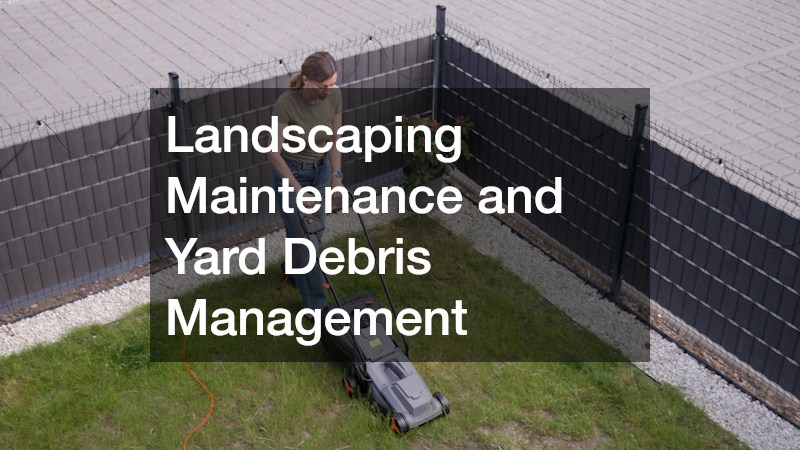
Overgrown or neglected landscaping can actually contribute to problems with other home systems, since tree roots can crack walkways or shift fence posts, and excess moisture near the foundation can lead to bigger issues. Refreshing mulch around garden beds and trees every year helps retain soil moisture, regulate temperature, and suppress weeds that compete with plants for nutrients. This is a simple, low-cost task that pays off in healthier landscaping and fewer drainage problems near the house.
Larger yard projects, such as removing old fencing, storm debris, or landscaping waste, often generate more material than a standard trash pickup can handle. Renting a roll off dumpster rental for these projects makes cleanup far more manageable, especially when tackling several home improvement tasks at once. Clearing out this kind of debris also makes it easier to spot drainage issues or soil erosion that might otherwise go unnoticed.
Most home systems give plenty of warning before they fail completely, but those warnings are easy to miss if you are not sure what to look for. Walking through your property every season with a critical eye can help you catch small issues while they are still inexpensive to fix. When something seems off, trust that instinct and bring in a qualified professional to assess the situation rather than waiting for a full breakdown. Taking a proactive approach today will save you time, money, and stress down the road.
About the Author