Introduction
Most home problems do not appear overnight. They usually start as small inconveniences that are easy to ignore, such as a minor leak, a draft near a door, or surfaces that no longer look as clean as they once did. Over time, these small issues often grow into larger, more expensive problems that affect comfort, safety, and long-term durability. Many homeowners focus on surface-level fixes without realizing that visible symptoms often point to deeper structural, functional, or system-related concerns.
Understanding the difference between cosmetic wear and underlying damage is essential when deciding how to maintain or improve a home. Repeated repairs can quickly become frustrating and costly if the root cause is never addressed. In many cases, targeted upgrades provide a more effective and lasting solution than temporary fixes, especially when problems continue to return.
This article explores some of the most common home problems homeowners face, both inside and outside the house, and explains which upgrades are best suited to resolve them. Rather than promoting quick fixes, the focus is on practical improvements that address the source of the issue and help prevent future damage. By recognizing early warning signs and choosing the right upgrades, homeowners can protect their investment and maintain a healthier, more functional living space.
Hard Water Damage That Quietly Wears Down Your Home
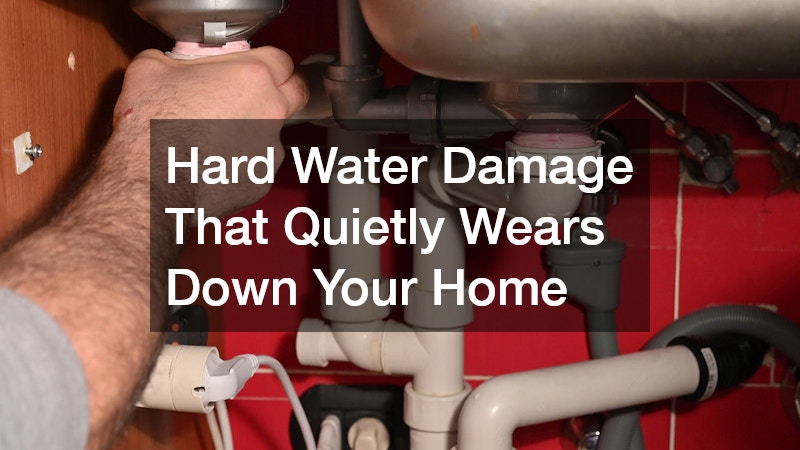
In many homes, mineral-related plumbing issues become noticeable long before homeowners consider solutions such as home water softeners to control buildup.. Mineral buildup commonly shows up as white residue on faucets, cloudy glassware, or stiff laundry, all of which are easy to dismiss as minor inconveniences. However, these surface signs usually indicate that minerals are also accumulating inside pipes, appliances, and plumbing fixtures throughout the home.
As mineral deposits build up internally, water flow becomes restricted and appliances are forced to work harder to perform basic functions. Water heaters, dishwashers, and washing machines are especially vulnerable, often experiencing reduced efficiency and shorter lifespans. Over time, this hidden strain leads to higher energy usage, more frequent repairs, and unexpected equipment failures that could have been avoided.
Addressing hard water at an early stage helps protect plumbing systems and appliances from long-term damage while improving overall water quality. Taking action before performance issues arise allows homeowners to reduce maintenance costs, extend system lifespan, and prevent small mineral-related problems from turning into major repairs.
What You Can Do Next:
Within the next month, homeowners can start by requesting a basic water hardness test or using an at-home test strip to confirm mineral levels. If scale buildup is visible on fixtures, schedule appliance maintenance before efficiency drops further. Acting before appliances show performance issues can prevent early replacement and reduce long-term operating costs.
Kitchens That Look Acceptable but Don’t Work Efficiently
A kitchen can appear perfectly fine at first glance while still being difficult to use on a daily basis. Poor layouts, limited storage, and inefficient work zones often go unnoticed until routine tasks begin to feel unnecessarily complicated. Homeowners may find themselves constantly rearranging items, struggling with cramped countertops, or dealing with traffic flow issues that disrupt cooking and cleanup.
These functional problems tend to worsen over time, especially in households where the kitchen sees heavy use. Simple cosmetic updates like new paint or hardware may improve appearance, but they rarely solve deeper design flaws. When a kitchen’s layout does not support how the space is actually used, frustration becomes part of everyday life.
Working with kitchen designers allows these underlying issues to be addressed through thoughtful planning rather than surface changes alone. By rethinking layout, storage solutions, and workflow, design-focused upgrades can transform an inefficient kitchen into a space that supports both functionality and comfort. The result is a kitchen that not only looks better but also works better for years to come.
What You Can Do Next:
Spend one week observing how the kitchen is used during daily routines, noting where movement feels restricted or storage is inconvenient. Avoid spending on cosmetic updates until these patterns are clear. Addressing layout inefficiencies first helps prevent repeated spending on changes that don’t improve functionality.
Ground Movement and Drainage Problems Around the Home
Changes in soil conditions around a property often go unnoticed until visible damage begins to appear. Sloping ground, eroding soil, and water pooling near foundations are early signs that the land surrounding a home is no longer stable. These issues may seem cosmetic at first, but they often point to drainage problems or shifting ground that can place pressure on nearby structures.
As water moves through soil, it gradually weakens the ground’s ability to support weight. Over time, this can lead to cracked foundations, leaning walls, and damage to landscaping features. Ignoring these warning signs increases the risk of more serious structural problems that are far more expensive to correct later.
A properly constructed retaining wall helps manage soil pressure and redirect water away from vulnerable areas. By stabilizing the landscape and improving drainage, this type of upgrade prevents erosion from spreading and protects the surrounding structures. Addressing ground movement early helps preserve both the safety and longevity of the home.
What You Can Do Next:
After the next heavy rainfall, walk the exterior of the home and document any areas where water pools for more than 24 hours. Clear debris from downspouts and extend drainage away from the foundation if needed. Early corrections significantly reduce the risk of erosion-related structural damage.
Bathrooms Showing Wear Beyond Simple Repairs
Bathrooms are exposed to constant moisture, making them one of the most vulnerable areas in any home. Small issues such as loose tiles, slow leaks, or persistent humidity often seem manageable at first. However, when these problems keep returning, they usually indicate deeper issues hidden behind walls or beneath flooring.
Moisture-related damage can lead to mold growth, weakened subfloors, and outdated plumbing systems that no longer meet current standards. Repeated patchwork repairs may temporarily mask the symptoms, but they rarely address the underlying cause. Over time, this cycle leads to higher maintenance costs and potential health concerns.
In these situations, bathroom remodeling becomes a practical solution rather than a cosmetic choice. A full upgrade allows underlying problems to be corrected while improving ventilation, water efficiency, and overall durability. By resolving structural and moisture-related issues together, homeowners can avoid ongoing repairs and create a safer, more reliable space.
What You Can Do Next:
Immediately address recurring moisture by running exhaust fans for at least 20 minutes after showers and checking caulking every six months. If leaks persist despite minor repairs, stop patching and evaluate underlying plumbing or ventilation issues before damage spreads behind walls.
Doors That No Longer Seal, Secure, or Operate Properly
Doors are often overlooked until they begin causing noticeable problems. Drafts, sticking frames, and difficulty closing are common signs that doors are no longer fitting as they should. These issues can stem from natural settling, moisture exposure, or aging materials that have lost their original shape.
When doors fail to seal properly, they allow air leaks that affect indoor comfort and energy efficiency. Gaps also create security concerns, especially when locks no longer align correctly. Standard replacements may not always solve the problem, particularly in older homes with non-uniform openings.
Opting for custom doors installation ensures a precise fit that addresses both function and durability. Custom solutions improve insulation, enhance security, and restore smooth operation. By correcting alignment and material issues, homeowners can eliminate drafts and reduce wear caused by poorly fitting doors.
What You Can Do Next:
At the start of each season, check door alignment and weatherstripping for gaps or resistance when opening and closing. Replace worn seals as soon as drafts are felt rather than increasing heating or cooling usage. Early adjustments can delay costly replacements.
Driveway Surfaces That Create Safety and Drainage Issues
Driveways endure constant exposure to weather, vehicle weight, and temperature changes. Over time, cracks, uneven surfaces, and pooling water begin to appear. While these problems may start small, they often worsen quickly when left untreated.
Cracked surfaces allow water to seep underneath, weakening the base and accelerating deterioration. Uneven driveways also create tripping hazards and can lead to vehicle damage. Temporary patches may offer short-term relief, but they rarely address the underlying structural failure.
Investing in driveway paving provides a long-term solution that restores both safety and function. A properly paved surface improves drainage, prevents further damage, and enhances the home’s exterior appearance. Addressing driveway issues early helps avoid more extensive repairs down the road.
What You Can Do Next:
Inspect the driveway annually at the end of winter and mark cracks or low spots that have expanded. Seal minor damage immediately and avoid parking heavy vehicles on weakened areas. Preventive action slows deterioration and extends surface lifespan.
Fencing Problems That Affect Privacy and Property Safety
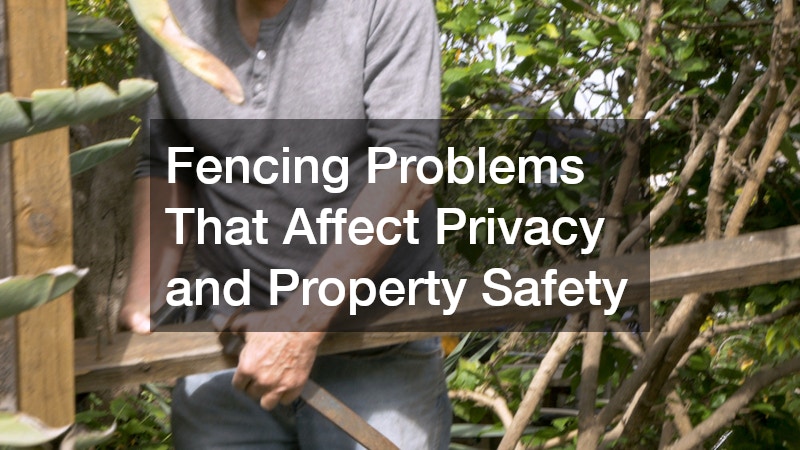
Fences play an important role in defining boundaries, providing privacy, and improving security. Over time, exposure to weather and ground movement can cause posts to lean, panels to rot, or sections to collapse. These issues often develop gradually, making them easy to overlook.
Damaged fencing compromises privacy and may create safety concerns for children or pets. Quick fixes such as reattaching loose panels rarely last, especially if the underlying support structure has weakened. In some cases, outdated materials or improper installation contribute to repeated failures.
Working with local fence services allows these problems to be addressed properly. Professional solutions take soil conditions, materials, and layout into account, resulting in a fence that remains stable and functional. Restoring a secure boundary helps protect the property while improving overall curb appeal.
What You Can Do Next:
After storms or high winds, examine fence posts for movement or loosened panels. Tighten fasteners and address rot or corrosion early instead of waiting for sections to fail. Timely maintenance reduces the likelihood of full fence replacement.
Countertops That Are No Longer Functional or Hygienic
Countertops endure daily use and are exposed to heat, moisture, and heavy impact. Over time, surfaces may develop cracks, stains, or water damage that cannot be fully cleaned or repaired. These issues not only affect appearance but can also raise hygiene concerns, especially in kitchens and bathrooms.
Worn countertops often absorb moisture and bacteria, making maintenance more difficult. Temporary fixes such as sealants or resurfacing may help briefly, but they rarely restore full functionality. As damage progresses, usability and durability continue to decline.
Professional countertop installation provides a lasting upgrade that improves both performance and cleanliness. New surfaces offer better resistance to moisture and wear while enhancing the overall look of the space. Replacing damaged countertops helps restore confidence in daily use and long-term durability.
What You Can Do Next:
Check countertop seams and edges quarterly for signs of moisture penetration or separation. Address small chips and reseal surfaces before stains or bacteria can settle. Consistent maintenance helps avoid premature surface failure.
Light Control and Privacy Issues Inside the Home
Natural light enhances comfort, but too much glare or insufficient privacy can quickly become a problem. Outdated or damaged window coverings often fail to regulate light effectively, leading to discomfort and reduced energy efficiency. These issues are especially noticeable in rooms with direct sun exposure.
Poor light control can cause fading of furniture and increase indoor temperatures. At the same time, inadequate privacy affects comfort and security. Simple fixes may improve appearance but often fall short in performance.
Proper blind installations offer a balanced solution by improving light control, insulation, and privacy. Well-fitted blinds help regulate indoor conditions while complementing interior design. Addressing window treatment issues enhances comfort throughout the home.
What You Can Do Next:
Adjust window coverings during peak sunlight hours to reduce indoor heat buildup and monitor changes in cooling usage. If glare or temperature issues persist, prioritize upgrades that improve insulation before investing in decorative changes.
Floors That Show Moisture Damage or Ongoing Wear
Floors in garages, basements, and utility areas are especially prone to moisture and heavy use. Cracks, stains, and dusty concrete surfaces are common signs that the flooring is no longer protected. These issues often worsen in damp environments where moisture penetrates porous materials.
As damage progresses, floors become harder to clean and maintain. Moisture intrusion can also contribute to mold growth and structural weakening. Ignoring these problems allows deterioration to spread to surrounding areas.
Applying epoxy flooring creates a durable barrier that protects surfaces from moisture and wear. This upgrade strengthens the floor while making it easier to maintain. By addressing damage early, homeowners can extend the life of their flooring and improve overall functionality.
What You Can Do Next:
Measure humidity levels in basements and garages at least twice a year and address moisture sources immediately. Keep floors dry and sealed to prevent damage from spreading to surrounding materials. Early moisture control significantly reduces long-term repair costs.
Conclusion
Home problems rarely stay small when they are ignored. What begins as a minor inconvenience, such as a draft, a surface crack, or a recurring leak, often signals a deeper issue that continues to worsen over time. Addressing only the visible symptoms may provide temporary relief, but it seldom prevents future damage or repeated repairs. Understanding how everyday wear connects to larger structural, functional, or system-related concerns is key to maintaining a healthy home.
Upgrades that focus on root causes offer long-term value by improving durability, safety, and overall comfort. Rather than viewing improvements as purely cosmetic, homeowners benefit most when upgrades are treated as preventive measures that protect the entire property. Thoughtful decisions made early can reduce maintenance costs, extend the lifespan of essential systems, and minimize unexpected repairs.
By recognizing common warning signs and responding with the right improvements, homeowners can take a proactive approach to home care. Regular evaluation, timely upgrades, and informed choices help ensure that small problems do not turn into major disruptions. In the long run, maintaining a home becomes less about reacting to damage and more about preserving stability, functionality, and peace of mind.
About the Author