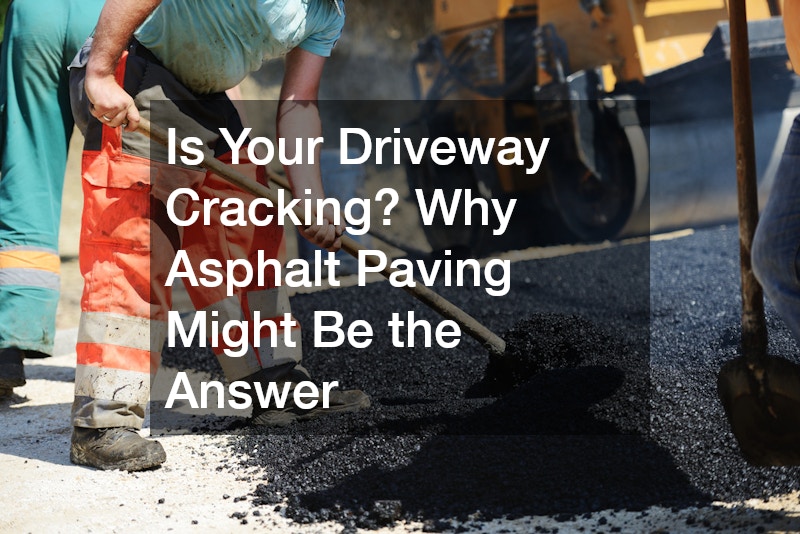
Driveways take on a surprising amount of wear and tear. Between daily vehicle traffic, shifting soil, changing temperatures, and natural aging, it’s no surprise that cracks begin to form over time. While some homeowners try quick fixes to delay repairs, these small patches rarely address the root of the problem. When surface issues become hard to ignore, asphalt paving often provides the most reliable and long-lasting solution.
Asphalt has become a preferred material for residential and commercial surfaces because of its durability, cost-efficiency, and smooth finish. If your driveway is showing signs of deterioration, understanding how asphalt paving works—and why it remains such a trusted option—can help you decide if now is the right time for an upgrade.
Why Driveways Crack in the First Place
Even the best-constructed driveways eventually develop cracks. Temperature changes cause expansion and contraction in the surface, putting pressure on the existing material. Water can seep into small openings and weaken the structure below, especially during rainy or freezing seasons. Soil movement creates additional stress, pushing the driveway upward or allowing portions to sink.
If the driveway was originally built with poor materials or minimal preparation, damage tends to appear sooner. Overloading the surface—such as parking heavy vehicles on it—can also accelerate wear. While patches can sometimes help, they are temporary solutions and don’t restore long-term structural integrity. This is where asphalt paving becomes a strong option, providing renewed stability and an entirely refreshed surface.
The Benefits of Choosing Asphalt Paving
One of the biggest advantages of asphalt paving is its ability to create a flexible yet durable surface. The material performs well in a wide range of climates because it can expand and contract without breaking apart. This flexibility makes it ideal for areas with temperature fluctuations or shifting soil conditions.
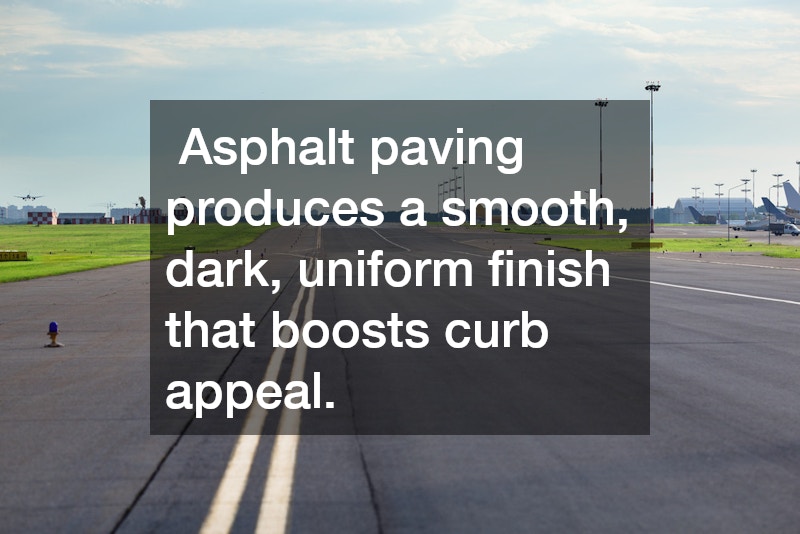
Another benefit is appearance. Asphalt paving produces a smooth, dark, uniform finish that boosts curb appeal. A freshly paved driveway can instantly elevate the look of a property, making it one of the most appealing home improvements for both aesthetics and function.
Cost is also an important consideration for homeowners. Asphalt paving is typically more affordable than concrete, and maintenance is simple. Sealcoating and routine care can extend the life of the surface for many years. Even when repairs are needed, asphalt is easier and more cost-effective to fix than many other materials.
How Asphalt Paving Extends the Life of Your Driveway
When you choose asphalt paving, you’re not just adding a new surface—you’re reinforcing the entire structure underneath. A properly installed driveway begins with thorough preparation, which is essential for long-term durability. Contractors evaluate the existing base, remove damaged sections, level uneven areas, and ensure proper drainage.
Once the foundation is ready, layers of asphalt are applied and compacted. This creates a strong, stable surface that can withstand regular traffic and changing weather conditions. Because asphalt paving bonds well and forms a tight seal, it protects the underlying base from water penetration, one of the main causes of driveway deterioration.
Homeowners often notice that asphalt driveways remain in good condition for many years with only minimal upkeep. Regular sealing helps preserve the surface, prevents oxidation, and protects it from oil spills, moisture, and sunlight exposure. With the right care, asphalt paving can offer reliable performance for decades.
Signs It’s Time to Consider Asphalt Paving
Not all driveway damage calls for a full replacement, but certain signs indicate it may be the right choice. Large cracks, widespread crumbling, or uneven sinking often suggest deeper structural issues. If the driveway collects puddles or has drainage problems, resurfacing may not be enough to correct the underlying issues.
Another sign is age. Most driveways have a lifespan, and once the material reaches the end of its useful years, repairs become more frequent and expensive. Asphalt paving can address all of these problems at once, giving homeowners a fresh start and a surface designed to last.
If your driveway has been patched multiple times but continues to look worn or uneven, it may be more cost-effective to invest in asphalt paving than to continue performing small repairs. A new surface also improves safety by eliminating tripping hazards and providing better traction.
What to Expect During the Asphalt Paving Process
The paving process is straightforward but should always be handled by experienced professionals. The first step is evaluating the current driveway and determining whether removal or resurfacing is needed. Once the old material is prepared or removed, the base is graded and compacted.
Then, hot asphalt is laid in layers and smoothed out using specialized equipment. After paving, the surface must cure, which typically takes a short amount of time compared to other materials. Homeowners can usually drive on their newly paved surface relatively quickly, which makes asphalt paving convenient for busy households.
A Long-Term Solution for a Stronger, Safer Driveway
If your driveway is cracking, fading, or showing significant structural problems, asphalt paving offers an effective and long-lasting solution. It improves appearance, enhances durability, and provides a smooth, safe surface for everyday use. When installed correctly and maintained over time, asphalt paving can help homeowners avoid future headaches and keep their property looking its best.
About the Author