Understanding the importance of pest control is crucial for maintaining a healthy and safe living space. Pests can cause physical damage and present severe health risks. Homeowners should proactively identify potential pest issues and implement effective control measures.
This article explores common household pests, their impacts, preventive measures, treatments, and when to seek professional help. With the right knowledge and actions, you can protect your home from pests. Addressing pest issues promptly can prevent more significant problems down the line.
What are the most common household pests?
Insects
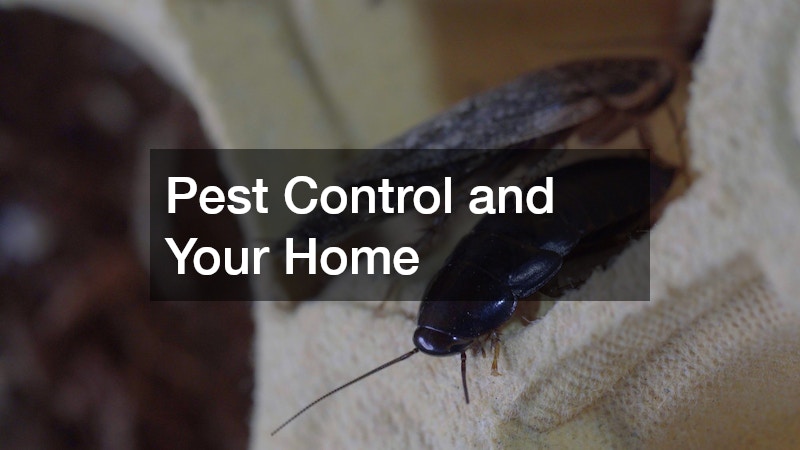
Insects like ants, cockroaches, and termites frequently invade homes. Ants enter homes seeking food, cockroaches carry bacteria and can cause allergic reactions, especially in children, and termites cause significant structural damage by feeding on wood. Early identification of insect activity can save on costly repairs.
Rodents
Mice and rats can enter homes through small openings, cause physical damage by gnawing, and pose health risks by spreading diseases like hantavirus and leptospirosis. Effective control is necessary to prevent them from establishing nests. Maintaining a clean and clutter-free environment deters rodent entry.
Birds
Pigeons and starlings can cause property damage and carry diseases. Their droppings are acidic, and nests can block vents and gutters. Solutions like netting or spikes can deter roosting. Consistent maintenance prevents bird-related damage.
Reptiles
Reptiles such as geckos and snakes may enter homes, especially in warmer climates. Geckos are generally harmless but can be a nuisance, while snakes can be alarming if venomous. Sealing entry points helps maintain a pest-free environment. Regularly checking for gaps and holes can prevent reptile intrusion.
Other Wildlife
Raccoons and squirrels may cause structural damage and carry parasites. Identifying and sealing access points is critical to keeping them out. Utilizing traps can help relocate wildlife humanely.
How do pests affect home and health?
Allergic Reactions
Pests such as cockroaches, dust mites, and rodents can cause allergic reactions. Implementing pest control measures minimizes exposure. Consistent monitoring can effectively reduce allergen sources.
Diseases
Pests are vectors for diseases like malaria and food poisoning. Removing pests reduces disease spread. Prompt pest control interventions safeguard against health threats.
Structural Damage
Termites and rodents can cause substantial structural damage by eating wood and chewing electrical wires. Regular inspections help mitigate these risks. Prevention techniques are essential to avoid destruction.
Food Contamination
Rodents and insects can contaminate food. Using sealed containers and proper storage prevents contamination. Vigilance in food handling preserves health standards.
Psychological Effects
Pests can cause psychological distress by disrupting sleep and causing anxiety. Proactive pest control helps protect both home and mental well-being. Stress-free living results from careful pest prevention.
What are preventive measures against pests?
Regular Cleaning
Regular cleaning eliminates food crumbs and debris that attract pests and reduces hiding places. Establishing a cleaning routine enhances pest deterrence.
Proper Food Storage
Using airtight containers for food prevents access by pests. Adequate storage practices protect against contamination threats.
Sealing Entry Points
Sealing cracks, gaps, and installing screens prevents infestations. Persistent maintenance fosters a secure home environment.
Landscaping Tips
Trimming plants near the home reduces pathways for pests and eliminates nesting spots. Thoughtful landscaping minimizes pest access opportunities.
Professional Inspections
Regular professional inspections can identify early signs of infestations for timely control measures. Expert evaluations provide peace of mind.
What are effective pest control treatments?
Chemical Treatments
Chemical treatments are effective for severe infestations. Professional services can safely apply chemicals. Consulting experts ensures appropriate chemical use.
Natural Remedies
Natural remedies, like essential oils and diatomaceous earth, offer non-toxic control alternatives. Ecosystem-friendly choices support sustainable pest management.
Traps and Baits
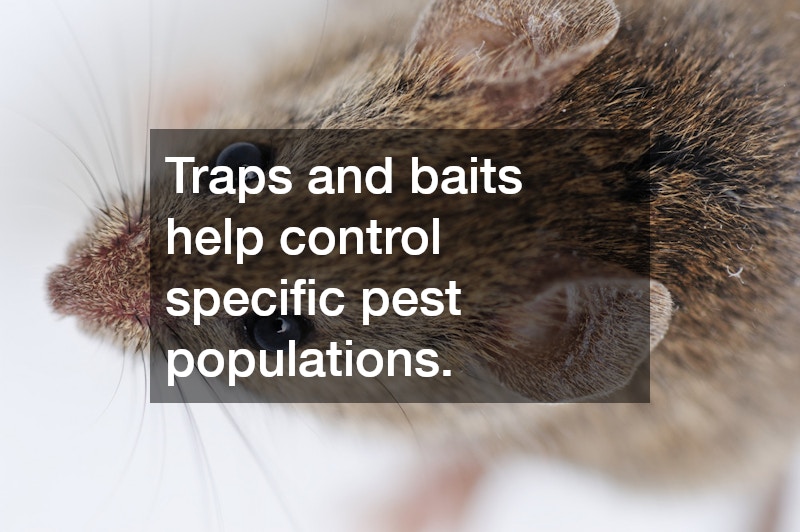
Traps and baits help control specific pest populations. Well-placed devices maximize pest capture efficiency.
Electronic Devices
Ultrasonic repellents and insect zappers offer modern pest control solutions. Technological tools complement traditional pest defenses.
Professional Services
Professional services provide comprehensive pest management and access to specialized products. Professional treatment plans are tailored for effective results.
When should you call a pest control professional?
Signs of an Infestation
Indicators like droppings and unexplained damage warrant professional intervention. Tackling issues early prevents pest population explosions.
DIY Methods Failure
Seek professional support when DIY solutions are ineffective. Advanced strategies may be required for stubborn pests.
Repeated Pest Issues
Recurring problems suggest a need for professional examination and strategies. Deep-rooted solutions address persistent concerns.
Safety and Health Concerns
When infestations threaten health, professional pest control ensures treatments are safely applied. Expert handling guarantees maximal safety.
Large-Scale Infestations
Severe infestations require expert intervention for comprehensive control. Professional expertise tackles daunting pest challenges.
Effective pest control ensures a healthy home environment. Awareness of pests, understanding their impacts, and seeking professional help when necessary mmakea difference in protecting your home. Preventive strategies and treatments help keep pests at bay, fostering security and wellness. Regular updates on pest information empower proactive prevention.
About the Author