
Home improvement projects often feel overwhelming not because of the work itself, but because of poor timing and coordination. Many homeowners discover that tackling projects out of order leads to delays, repeated disruptions, and even rework that could have been avoided with better planning. When indoor and outdoor projects overlap without a clear schedule, simple upgrades can turn into extended, stressful undertakings. Efficient scheduling helps ensure that each project supports the next rather than interfering with it.
The key to successful project planning is understanding how different services affect one another. Structural work, utility upgrades, environmental services, and cosmetic improvements all interact in ways that are not always obvious at first glance. Outdoor work may require heavy equipment access that disrupts interior spaces, while indoor projects can limit access points needed for exterior services. By approaching scheduling strategically, homeowners can reduce downtime and keep projects moving forward smoothly.
This guide explores practical ways to schedule indoor and outdoor home projects efficiently. Each section focuses on a specific type of service and explains when it should be completed in relation to others. By following a logical sequence and anticipating potential conflicts, homeowners can protect their property, reduce disruptions, and achieve better overall results.
Addressing Water Features and Structural Elements First
Outdoor water features often require early attention because they involve underground systems, structural components, and access needs. Swimming pool repairs should be scheduled before surrounding landscaping, decking, or paving projects begin. Pool work frequently involves draining, resurfacing, or repairing plumbing and structural elements that can affect nearby areas. Completing these repairs first prevents damage to newly installed surfaces and ensures that other outdoor upgrades are not compromised later.
Pools also influence how outdoor spaces are used during construction. Repair work may require restricted access, equipment staging, or temporary fencing. Scheduling these projects early allows homeowners to plan around limited use of the yard and prevents conflicts with later improvements. Once pool repairs are complete, it becomes easier to finalize layouts for decks, walkways, and landscaping features.
By prioritizing water-related repairs early, homeowners create a stable foundation for other outdoor projects. This approach minimizes the risk of rework and ensures that subsequent improvements can be completed efficiently and with confidence.
Beyond preventing surface damage, early attention to water-related projects helps establish clear spatial boundaries for future work. Knowing exact elevations, drainage paths, and equipment clearances allows other contractors to plan accurately. This reduces mid-project adjustments that can slow progress or introduce errors. Early completion also provides time to monitor performance before surrounding upgrades begin, helping identify minor issues while access is still unrestricted. Treating water features as a foundational element supports smoother coordination across all later outdoor improvements.
Resolving Core Utility Concerns Before Cosmetic Work

Utility systems should always be addressed before cosmetic or structural upgrades. A plumbing service is often one of the first indoor projects that should be scheduled, especially if renovations or repairs affect walls, floors, or fixtures. Plumbing work can require opening walls or accessing crawl spaces, which can undo finished surfaces if handled out of sequence.
Scheduling plumbing early allows homeowners to resolve leaks, outdated connections, or drainage issues before investing in remodeling or finishing work. It also ensures that water-dependent features such as kitchens, bathrooms, or laundry areas are fully functional before final touches are applied.
Addressing plumbing first reduces the likelihood of emergency repairs interrupting later projects. Once core utility systems are stable, homeowners can move forward with interior and exterior upgrades knowing that hidden infrastructure is not at risk of causing future disruptions.
Utility-focused planning also simplifies communication between contractors. When systems are clearly documented and fully operational early on, later trades can work with confidence rather than uncertainty. This clarity helps prevent delays caused by unexpected shutoffs or access limitations. Addressing utilities first also allows homeowners to test performance under normal conditions before walls and finishes are closed. This proactive approach reduces stress and supports a more predictable renovation timeline.
Planning Ground-Level Surfaces After Heavy Work
Driveways, walkways, and paved surfaces should be scheduled after major excavation or utility work is complete. Working with a local paving company is best done once demolition, drainage, or underground repairs are finished. Paving too early can result in cracked or damaged surfaces if heavy equipment needs to cross them later.
Ground-level surfaces often serve as access points for contractors and materials. Delaying paving until other work is complete preserves the integrity of these surfaces and ensures a clean, finished appearance. Proper timing also allows for accurate grading and drainage adjustments based on final site conditions.
By scheduling paving later in the project timeline, homeowners protect their investment and avoid unnecessary repairs. This sequence supports smoother transitions between construction phases and helps maintain a clean, organized worksite.
Ground-level finishes also influence accessibility and safety during later phases. Waiting until heavy work is complete allows surfaces to be installed under cleaner conditions, improving long-term durability. It also helps ensure proper curing and settling without external pressure. By aligning surface installation with final site conditions, homeowners avoid premature wear and maintain consistent visual appeal. This timing supports both function and aesthetics well into the future.
Coordinating Interior Renovations Strategically

Interior upgrades often involve multiple trades and overlapping timelines. Interior remodeling companies typically require uninterrupted access to living spaces, utilities, and structural elements. Scheduling interior remodeling after core utilities are addressed but before final exterior finishes helps avoid conflicts and repeated disruptions.
Interior work may involve dust, noise, and temporary loss of certain rooms. Completing these projects while exterior work is still underway can consolidate disruptions into a shorter overall timeline. It also allows homeowners to complete major changes before final cleaning and staging.
Careful coordination ensures that remodeling does not interfere with exterior access or vice versa. By aligning interior renovations with the broader project schedule, homeowners can achieve better efficiency and a more cohesive final result.
Interior coordination benefits greatly from clearly defined milestones. Knowing when walls will be opened, utilities accessed, and finishes installed helps homeowners plan daily routines with minimal disruption. Sequencing interior work alongside exterior phases can reduce total project duration while maintaining livable conditions. Strategic coordination also helps ensure that final finishes remain protected once installed, preserving both appearance and performance.
Clearing Landscapes Before Building and Finishing
Tree and root removal should be completed early, especially when outdoor construction is planned. Stump grinding clears space for new structures, utilities, or landscaping features. Leaving stumps in place can interfere with foundations, drainage, or grading required for later projects.
Removing stumps early also improves site accessibility for equipment and contractors. It prevents delays caused by unexpected obstacles during construction and allows for accurate planning of layouts and elevations.
By addressing landscape clearing before building begins, homeowners ensure that outdoor projects proceed without interruption. This step creates a clean slate for construction and supports long-term stability of new installations.
Early landscape clearing also improves visibility across the site, making it easier to identify drainage issues or grading inconsistencies. This clarity allows for corrections before permanent structures are installed. Removing obstructions early reduces guesswork and supports precise measurements for later construction. A clean landscape foundation contributes to smoother execution and fewer unexpected challenges as projects progress.
Handling Structural Removal Before New Construction
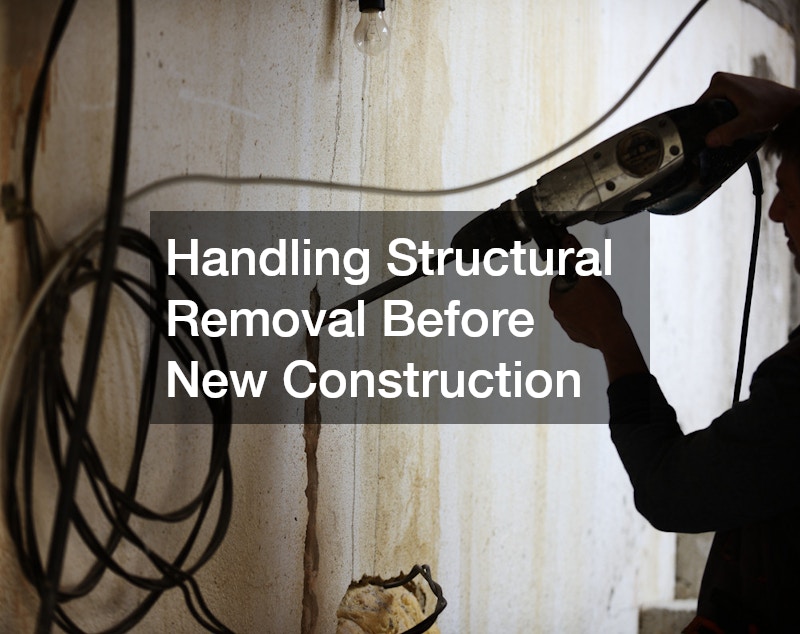
When projects involve removing existing structures, timing is critical. Demolition contractors should be scheduled before new construction, remodeling, or finishing work begins. Demolition often generates debris, vibration, and access needs that can damage completed work if done later.
Early demolition allows homeowners to assess underlying conditions such as soil stability, utility placement, or hidden damage. This information is valuable when planning new construction or repairs. It also ensures that new work is built on a properly prepared site.
Completing demolition first reduces surprises and supports smoother project transitions. It sets clear boundaries for new work and helps maintain an organized construction timeline.
Structural removal provides valuable insight into the property’s underlying condition. Once existing materials are removed, contractors can identify hidden concerns such as moisture damage or uneven foundations. Addressing these findings early prevents future complications. Demolition completed at the right time also streamlines scheduling for subsequent trades, allowing construction to proceed without interruption or rework.
Resolving Environmental and Safety Concerns Promptly
Environmental issues should never be postponed. Bee removal is an example of a service that should be handled immediately when identified. Active nests can pose safety risks and interfere with both indoor and outdoor work. Delaying removal can limit access to certain areas and increase the likelihood of disruptions.
Addressing environmental concerns early protects workers and occupants alike. It also ensures that projects are not halted unexpectedly due to safety issues. Once these concerns are resolved, contractors can proceed without restrictions.
Prompt action on environmental services supports uninterrupted progress and helps maintain a safe, controlled work environment throughout the project timeline.
Addressing environmental concerns early also supports compliance with safety guidelines and project continuity. Once resolved, contractors can work without restrictions or interruptions caused by safety risks. Early resolution helps maintain momentum and reduces the likelihood of sudden work stoppages. Proactive handling of these issues reinforces a controlled, predictable project environment.
Prioritizing Health-Related Interior Services
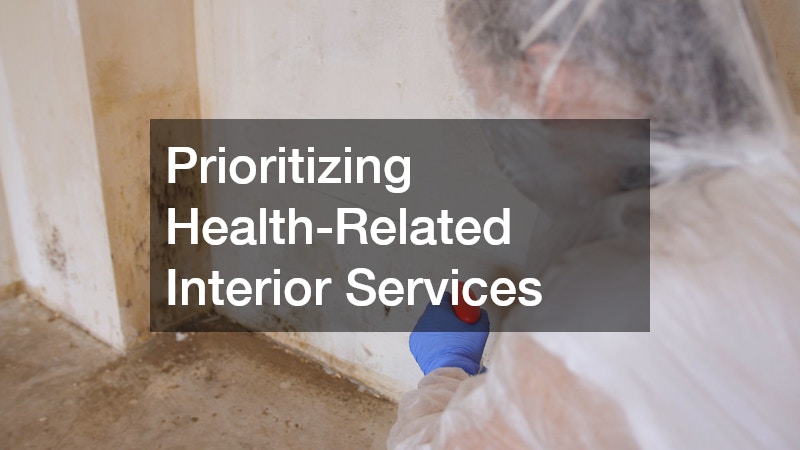
Health-related issues inside the home should be addressed before remodeling or finishing work. Best local mold remediation should be scheduled as soon as mold is suspected or identified. Mold can spread behind walls, under floors, and into ventilation systems if not addressed promptly.
Remediation often requires removing affected materials and controlling moisture sources. Completing this work before remodeling prevents contamination of new materials and protects indoor air quality.
By prioritizing health-related services, homeowners protect both their investment and their well-being. This approach ensures that later projects are built on a safe, stable foundation.
Health-focused services also influence how comfortable a home feels long after projects are complete. Addressing indoor concerns early ensures that new materials are installed in a clean environment. This sequencing helps preserve indoor air quality and supports a healthier living space. Prioritizing these services reinforces responsible planning and long-term satisfaction.
Managing Waste and Debris Throughout the Project
Large projects generate significant waste, making coordination with a dumpster rental company essential. Scheduling waste management early and maintaining it throughout the project keeps the site organized and safe. Overflowing debris can slow progress and create hazards.
Proper waste planning allows contractors to work efficiently without navigating cluttered spaces. It also supports compliance with local disposal requirements and helps maintain a cleaner environment.
Consistent waste management throughout the project prevents delays and supports smoother transitions between phases. This logistical detail plays a major role in overall efficiency.
Effective waste management also improves workflow efficiency. Clear pathways and organized staging areas allow contractors to move materials quickly and safely. Ongoing debris control supports better communication between trades and reduces downtime caused by clutter. Maintaining a clean site helps projects progress steadily and predictably.
Finishing With Outdoor Living Structures
Outdoor living spaces are often best completed last. Deck builders should be scheduled after major structural, utility, and landscaping work is finished. Deck construction benefits from stable ground conditions and clear layouts that are not subject to change.
Completing decks last protects them from damage caused by heavy equipment or debris from earlier projects. It also allows homeowners to integrate decks seamlessly with finished pools, paving, and landscaping.
Ending the project with outdoor living features provides a sense of completion and allows homeowners to immediately enjoy the results of their careful planning.
Efficiently scheduling indoor and outdoor home projects requires foresight, organization, and an understanding of how different services interact. By addressing foundational, utility, and environmental concerns first, homeowners create a stable base for later improvements. Strategic sequencing reduces disruptions, protects completed work, and keeps projects moving forward.
A thoughtful schedule transforms complex home improvements into manageable steps. When projects are planned in the right order, homeowners can achieve better results with less stress and fewer delays. Smart scheduling is not just about saving time—it is about creating a smoother, more successful home improvement experience from start to finish.
About the Author