A strange noise in your home is rarely just background static — it is often the first warning sign that a system is wearing out or about to fail. Learning to tell the difference between a harmless quirk and a genuine emergency can save you thousands of dollars and prevent a small issue from becoming a household crisis. This guide breaks down the most common suspicious sounds by system, so you know when to simply monitor and when to call for help.
Banging and Rattling in Your Air Ducts
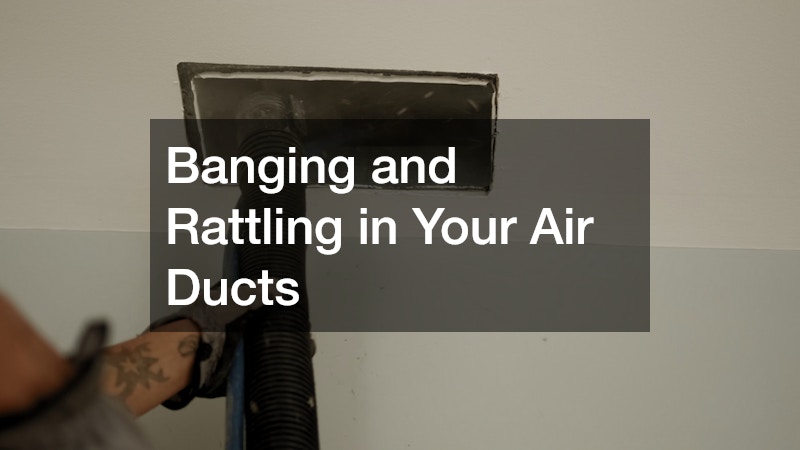
A metallic banging or rattling sound coming from your vents usually points to loose ductwork, a failing blower motor, or a cracked fan blade hitting its housing. These noises tend to start small and grow louder over weeks, which means the problem is progressive rather than a one-time fluke. Ignoring it can lead to a complete system breakdown during the hottest or coldest week of the year, which is the worst possible time for it to happen.
If you notice these sounds along with weak airflow or inconsistent temperatures between rooms, it is time to schedule HVAC repair before the unit works harder than it should and shortens its own lifespan. A technician can typically diagnose the issue quickly, since these systems fail in fairly predictable patterns.
- Squealing on startup often means a worn belt or motor bearing
- Clicking that continues after the unit shuts off can signal a cracked heat exchanger
- Rattling registers usually mean loose screws or dislodged panels
- Humming with no airflow often points to capacitor failure
Gurgling and Bubbling Sounds From Your Backyard Water Feature
If your pool pump or filtration system starts making gurgling, whining, or bubbling noises that were not there before, it is usually a sign of air entering the system where it should not be. This can result from a low water level, a failing seal, or a suction-side leak that will only worsen if left alone. Left unaddressed, these small leaks can strain the pump motor and eventually cause it to burn out entirely.
Prompt pool repairs at the first sign of unusual noise can prevent a simple seal replacement from turning into a full pump or filter replacement. Since pool systems run for hours every day during warmer months, small inefficiencies add up quickly on your water and energy bills.
- Whining pumps often need new bearings or lubrication
- Gurgling at the skimmer usually means low water level or a suction leak
- Rattling filters can indicate loose internal parts
- Popping sounds may point to trapped air in the plumbing lines
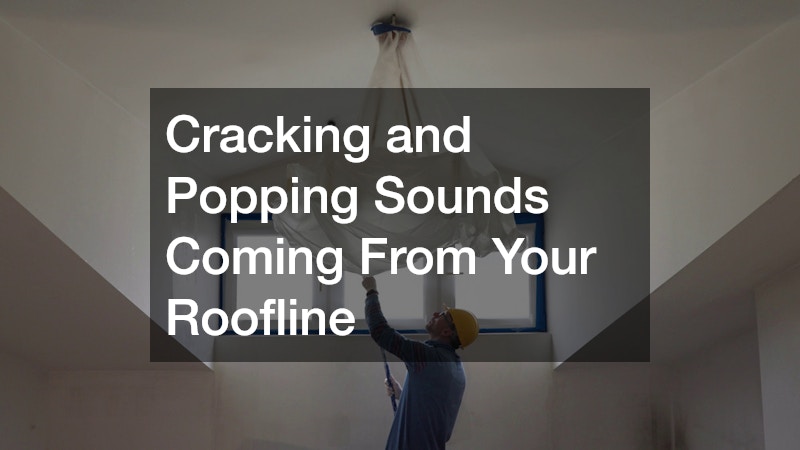
Cracking and Popping Sounds Coming From Your Roofline
Roofs expand and contract with temperature changes, so occasional creaking on hot afternoons or cold nights is normal. But loud cracking or popping during calm, mild weather is a different story and not something to dismiss. These sounds can indicate structural stress, loose flashing, or water pooling somewhere it should not be.
Pay attention to when the noise happens. A pop that coincides with wind gusts often points to loose shingles or flashing being lifted and dropped. A crack that occurs with no wind, rain, or temperature swing at all is more concerning, since it can signal a stressed rafter, a cracked truss connection, or sheathing that has weakened from prolonged moisture exposure.
Trapped moisture is the real long-term danger here. Water pooling near a poorly sealed vent, chimney, or valley can seep into decking and framing, causing wood to swell, soften, and eventually rot. This deterioration can progress for months or even years before a visible leak shows up inside your home, by which point the repair often involves replacing sections of decking rather than a simple patch.
If the sounds persist for more than a few days or grow louder over time, it’s worth having a roofer inspect the attic and roofline. Look for telltale signs alongside the noise, such as sagging spots, discolored ceiling patches, or a musty smell in the attic, since these often accompany the acoustic clues and confirm that moisture damage is already underway.
Cracking and popping from your roofline isn’t always cause for alarm, since minor sounds can result from normal thermal expansion as wood and shingles react to temperature swings throughout the day. But context matters: if the noise happens suddenly during a storm, high winds, or in the middle of the night with no obvious weather trigger, it may signal urgent structural movement rather than routine settling.
Sharp cracks accompanied by visible sagging, a new leak, or debris on the attic floor are especially serious red flags. These signs often point to a broken truss, a cracked rafter, or a section of decking that has separated from the frame, any of which can worsen rapidly under continued wind or rain load.
This is exactly the kind of situation a 24 hour roofer is trained to respond to, since they can assess whether the noise reflects a genuine breach or simple material movement. A same-night inspection typically involves checking the attic for daylight gaps, moisture staining, and shifted flashing before conditions deteriorate further.
Waiting until morning in these cases can allow a small breach to become a major interior water problem, sometimes turning a $300 repair into thousands of dollars in drywall, insulation, and mold remediation. Given how quickly a compromised roofline can fail once wind or heavy rain gets underneath the surface, calling a 24 hour roofer at the first sign of structural cracking is almost always the more affordable choice in the long run.
- Cracking during wind gusts may mean loose shingles or panels that have pulled away from their nail lines
- Popping near vents often signals expanding or contracting metal flashing as temperatures swing between day and night
- Repeated popping in the same spot may point to flashing that’s lost its seal, letting moisture sneak in underneath
- Creaking near the attic can indicate sagging support beams, especially in homes over 20 years old
- Persistent creaking under normal foot traffic upstairs may mean a beam is bearing more weight than it was designed for
- Dripping sounds after rain suggest an active leak already in progress, even if no stains are visible yet
- Dripping that continues for hours after rain stops could mean water is pooling somewhere in the insulation
Sputtering and Surging Sounds From Your Backup Power System
A backup generator that sputters, surges, or cycles on and off rapidly is usually struggling with a fuel delivery issue, a dirty air filter, or a failing voltage regulator. These symptoms tend to appear gradually, starting as a minor hiccup during test runs before becoming a full failure during an actual outage. Since generators often sit unused for long stretches, small problems can go unnoticed until the moment you need the unit most.
Routine generator services catch these issues early through load testing, fuel system checks, and battery inspections that most homeowners are not equipped to do themselves. A generator that runs smoothly during a scheduled test is far more likely to perform reliably during an actual emergency.
- Repeated cycling can indicate a failing transfer switch
- Sputtering under load often points to fuel or carburetor issues
- Excessive vibration may mean loose mounting or worn parts
- A weak or slow start suggests battery or starter problems
Gurgling Drains and Bubbling Toilets Inside the House
Gurgling sounds from your drains or toilet, especially when running water in a different fixture, often mean there is a blockage or venting issue somewhere in your plumbing system. This happens because trapped air is being forced back through the pipes instead of venting properly outside. It is a subtle sign, but it frequently precedes a much messier backup if the underlying clog continues to grow.
A licensed residential plumber can run a camera inspection to pinpoint exactly where the blockage or vent issue is located, rather than guessing based on symptoms alone. Catching this early is far less disruptive and less expensive than dealing with a full sewer backup later on.
- Gurgling in multiple fixtures at once suggests a main line issue
- Gurgling in just one drain usually means a localized clog
- Slow draining combined with odd sounds often signals grease or debris buildup
- Sounds after flushing can indicate a partially blocked vent stack
Foul Odors and Bubbling Sounds From Your Yard’s Drainage System
If you hear a bubbling or gurgling sound outside near your yard, paired with a foul smell or unusually soggy patches of grass, your septic system may be struggling to process waste properly. This can happen when the tank is overdue for pumping or when the drain field has become saturated and can no longer absorb liquid efficiently. Left unaddressed, this can lead to sewage backing up into your home, which is both costly and unpleasant to remediate.
Scheduling septic repairs as soon as you notice these warning signs can prevent a contained issue from spreading into your yard or plumbing system. Most septic systems need pumping every three to five years, and noises or odors outside of that schedule usually mean something needs attention sooner.
- Gurgling near the septic tank often means it is due for pumping
- Soggy or unusually green patches of grass can indicate drain field saturation
- Sewage odors indoors combined with outdoor sounds suggest a serious backup
- Slow drains throughout the house can be an early septic warning sign

Rattling and Whistling Sounds Around Your Window Frames
A whistling sound during windy days or a rattling noise when the wind picks up usually means your window seals have degraded or the frame has shifted slightly over time. This not only lets in unwanted noise but also allows drafts that increase your heating and cooling costs significantly. Condensation between panes is another clue that the seal has failed and moisture is getting trapped where it should not be.
Addressing window repairs promptly can restore your home’s energy efficiency and eliminate the noise entirely, often for a fraction of the cost of full window replacement. Waiting too long, however, can lead to wood rot or frame damage that does require a complete replacement.
- Whistling in wind usually means a broken or worn seal
- Rattling glass can indicate loose glazing points
- Foggy glass between panes signals seal failure and trapped moisture
- Difficulty opening or closing may mean the frame has warped
Buzzing and Flickering Sounds From Your Landscape Lighting
A faint buzzing or humming sound near your outdoor light fixtures is often caused by a failing transformer, loose wiring, or a fixture that is not rated for its current load. While it might seem minor, buzzing near electrical fixtures outdoors can be an early indicator of a wiring issue that worsens with exposure to moisture and temperature swings. Left unaddressed, this can eventually trip breakers or, in worse cases, create a fire hazard near dry landscaping.
Reliable outdoor lighting repair typically involves checking transformer output, inspecting wire connections for corrosion, and confirming that fixtures are properly grounded and sealed against the elements. Because these systems are exposed to the outdoors year-round, periodic inspection is far more effective than waiting for a total failure.
- Buzzing near transformers often means overload or failing components
- Flickering lights can indicate loose connections or water intrusion
- Dimming across multiple fixtures suggests a voltage drop somewhere in the line
- Complete outages after rain point to moisture in the wiring
Grinding and Screeching Noises From Your Garage Door System
A garage door that grinds, screeches, or groans while opening is typically suffering from worn rollers, a misaligned track, or a spring under too much or too little tension. These sounds tend to worsen quickly because the moving parts are under constant mechanical stress every time the door operates. A door that sounds unhealthy today can become a safety hazard within weeks if the spring or cable eventually fails.
Timely garage door repairs address the root mechanical issue rather than just masking the noise with lubrication, which only offers a temporary fix. Since garage doors are among the heaviest moving objects in a home, addressing unusual sounds quickly is important both for cost control and for household safety.
- Grinding often points to worn rollers or track misalignment
- Screeching can indicate a lack of lubrication on moving parts
- Loud bangs during operation may signal a snapped spring
- Shaking or shuddering suggests uneven tension in the cables
Buzzing and Crackling Sounds Behind Your Walls and Outlets
A buzzing or crackling sound coming from an outlet, switch, or behind a wall is one of the more serious noises a homeowner can encounter, since it often indicates arcing wires or a loose connection generating excess heat. This type of noise should never be ignored, even if it seems faint or infrequent, because electrical arcing is a leading cause of house fires. Discoloration around an outlet or a warm switch plate paired with the sound is a clear signal that immediate attention is needed.
Only a licensed electrical contractor should investigate and repair these issues, since working with live wiring without proper training and equipment is dangerous. A thorough inspection can identify whether the problem is isolated to one outlet or indicative of a larger issue within the home’s wiring panel.
- Buzzing at outlets often means loose or damaged wiring
- Crackling behind walls can indicate arcing that requires immediate shutoff
- Warm or discolored switch plates are a sign of overheating
- Frequent breaker trips paired with noise suggest a deeper electrical fault
Strange household noises are rarely random, and learning to recognize what each one means puts you in control before small problems become expensive emergencies. Trust your instincts when something sounds different than usual, and do not wait for a minor issue to escalate into a major repair. Keeping a mental checklist of these warning signs, and knowing which professional to call for each one, is one of the simplest ways to protect both your home and your budget.
About the Author