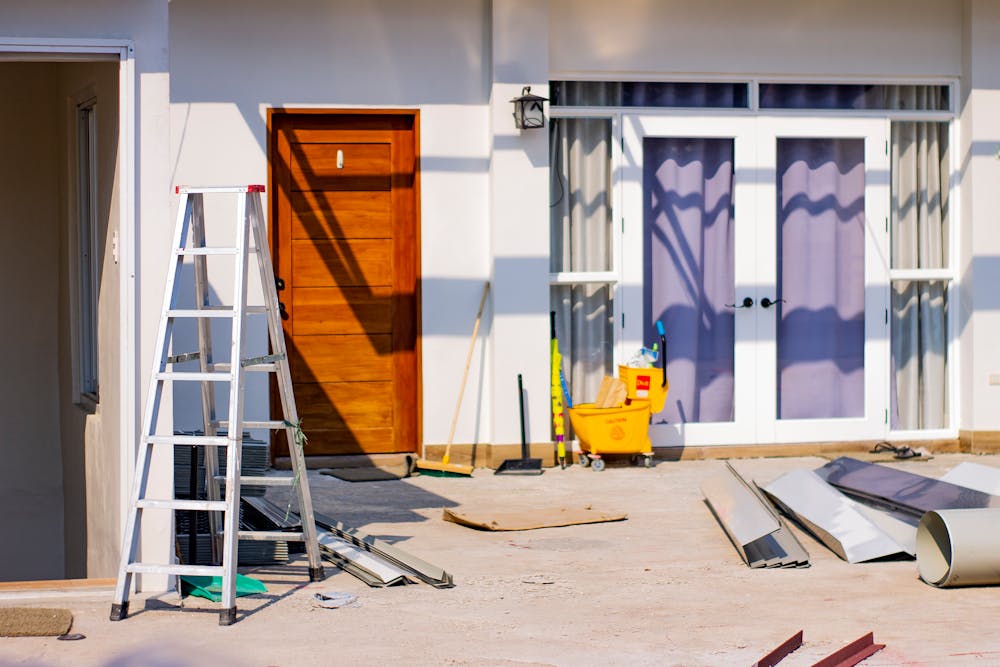
- A month-by-month home maintenance schedule helps homeowners stay organized and prevents costly repairs.
- Preventive maintenance is more effective than reactive repairs, saving time and money.
- Regular checks on plumbing, HVAC, insulation, and roofing are essential for year-round home safety and efficiency.
- Seasonal tasks, like lawn care, gutter cleaning, and winterizing, protect your home from damage.
- Using checklists, calendars, or apps can make maintaining your home easier and more consistent.
- Small, consistent efforts in general home repair and maintenance improve your home’s value and comfort.
Owning a home comes with many responsibilities, and keeping your property in top condition requires regular care. A well-planned maintenance schedule helps prevent costly repairs, ensures safety, and maintains the value of your home. Many homeowners overlook small tasks that gradually lead to larger problems, which could have been avoided with proper planning.
By following a month-by-month guide, you can tackle general home repair and maintenance efficiently, making upkeep manageable and stress-free. This guide outlines what tasks to prioritize each month, so you can maintain your home without feeling overwhelmed.
Why a Home Maintenance Schedule Matters
Home maintenance is not just about fixing things when they break. A structured schedule ensures your home remains safe, functional, and comfortable year-round. Preventive maintenance reduces the risk of major repairs, saving both time and money in the long run. By planning tasks ahead, you can allocate resources effectively and avoid last-minute emergencies.
Additionally, a maintenance schedule provides peace of mind, knowing that every part of your home receives the care it needs. With small, consistent efforts, you can protect your investment and enjoy a well-maintained living space.
General Home Repair and Maintenance Tips
Before diving into month-by-month tasks, there are some general tips to keep in mind. Regular inspections of your home’s structure, roof, plumbing, and electrical systems help identify potential issues early. Keep a checklist of common repairs, such as replacing filters, testing smoke detectors, and cleaning gutters.
Maintaining a toolkit and essential supplies ensures you can handle minor repairs immediately. Remember, consistent attention to small issues prevents larger, more expensive problems down the line. General home repair and maintenance is about foresight and routine rather than reactive fixes.
January: Winter Check and Safety

January is the perfect month to inspect your home after the holiday season and harsh winter weather. Check your heating system, ensure smoke and carbon monoxide detectors are functional, and replace any worn-out batteries. Inspect pipes for leaks or signs of freezing, especially in unheated areas.
Clean and declutter indoor spaces to maintain a safe, organized environment. Winter is also a good time to review your home maintenance schedule for the year and plan ahead for larger projects.
February: Plumbing and Insulation
Cold weather can take a toll on plumbing systems. February should focus on checking pipes, drains, and faucets for leaks or damage. Insulate exposed pipes to prevent freezing, and inspect your water heater for efficiency. Look for drafts around windows and doors, and improve insulation where necessary to reduce heating costs. Taking these preventive steps now helps avoid emergency plumbing repairs and keeps your home energy-efficient as winter continues.
March: Exterior Maintenance
Spring is approaching, and March is ideal for preparing your home’s exterior. Inspect the roof for missing shingles, clean gutters, and check downspouts for proper drainage. Look for cracks in siding, walkways, or driveways, and schedule repairs as needed. Trim trees and shrubs away from the house to prevent damage during storms. These tasks protect your home from water damage, structural issues, and seasonal wear, ensuring a smooth transition into spring.
April: Garden and Lawn Care
April is the month to focus on landscaping and outdoor spaces. Fertilize your lawn, plant seasonal flowers, and inspect irrigation systems for leaks or clogs. Clear garden beds of debris and mulch to promote healthy plant growth. Check fences, gates, and outdoor lighting to maintain safety and curb appeal. A well-maintained garden not only enhances your property’s aesthetics but also prevents potential hazards and damage to your home’s exterior.
May: HVAC and Ventilation
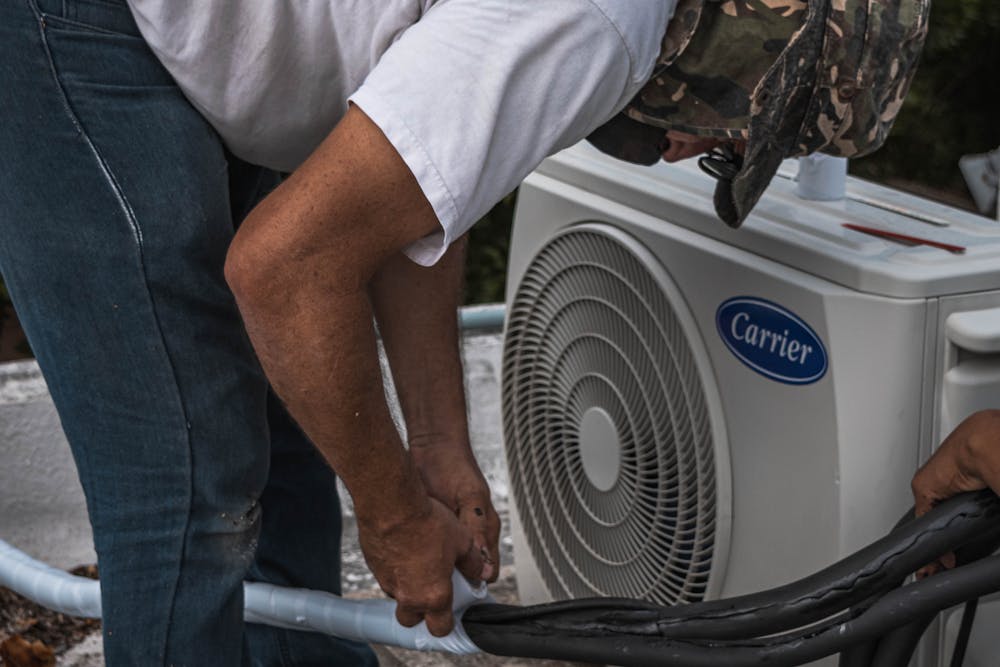
With warmer months approaching, it’s time to prepare your HVAC system. Replace air filters, clean vents, and schedule professional maintenance if needed. Ensure your ventilation system is free of blockages and functioning efficiently. Inspect attic and basement areas for signs of mold or moisture buildup. Maintaining your HVAC system now improves air quality, reduces energy costs, and prevents breakdowns during peak summer months.
June to December: Ongoing Maintenance
- June: Check and repair decks, patios, and outdoor furniture. Seal gaps in doors and windows.
- July: Inspect plumbing for leaks and maintain lawn irrigation systems.
- August: Prepare for fall by cleaning gutters and inspecting the roof for damage.
- September: Service heating systems and test smoke and carbon monoxide detectors.
- October: Winterize your home, seal drafts, and inspect insulation.
- November: Trim trees, clean chimneys, and prepare snow removal tools.
- December: Declutter interiors, check holiday lighting safety, and review your annual home maintenance schedule for improvements next year.
How to Make This Schedule Work for You
Consistency is key to a successful home maintenance routine. Use a digital calendar, planner, or dedicated app to schedule tasks and set reminders. Prioritize tasks based on urgency and seasonality. Involving family members or hiring professionals for specialized work can reduce stress and ensure tasks are completed safely. By following a month-by-month guide, homeowners can maintain their property efficiently and prevent costly repairs before they arise.
Maintaining your home doesn’t have to be overwhelming. A structured, month-by-month home maintenance schedule keeps your property in excellent condition, saves money, and enhances your quality of life. From plumbing checks to HVAC maintenance and seasonal landscaping, each small step contributes to a safer, more comfortable, and valuable home.
About the Author
